Casualties unknown

1997-01-31: Boeing 757-232 (N611DL) — Atlanta, GA

Atlanta, GA, US

On January 31, 1997, a Boeing 757-232 (registration N611DL) was involved in an aviation accident near Atlanta, GA. Investigators recorded the probable cause as: HPT disk blade retention lug had separated because of a low cycle fatigue fracture. This summary draws on records from the U.S. National Transportation Safety Board (NTSB) historical archive; 7 related events involving the same aircraft type or operator are linked below.

Sourcesthe U.S. National Transportation Safety Board (NTSB) historical archivePrimary reportUpdated 1781061362Data APIEditorial standards
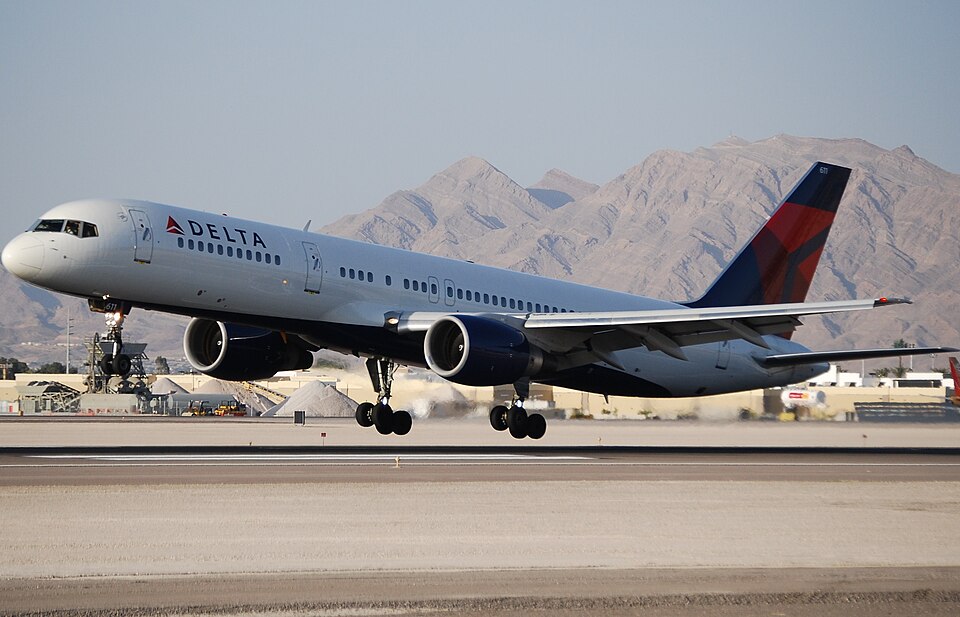
Aircraft registered N611DL
Aircraft registered N611DL. Photo: Eddie Maloney from North Las Vegas, USA / CC BY-SA 2.0, via Wikimedia Commons

After takeoff, a left engine experienced an uncontained failure of the Stage 1 High Pressure Turbine. The aircraft returned safely. Investigation found the HPT disk blade retention lug separated due to low cycle fatigue. Service Bulletin and Airworthiness Directive were issued.

Incident Overview

Shortly after takeoff, the left engine suffered an uncontained failure of the Stage 1 High Pressure Turbine (HPT). The flight crew executed a safe return and performed a precautionary landing. No further details about the aircraft, operator, or location were provided.

Investigation Findings

Subsequent examination of the engine revealed that the HPT disk blade retention lug had separated because of a low cycle fatigue fracture. This finding pinpointed the root cause of the uncontained failure.

Regulatory Actions

In response to this failure, two corrective actions were issued. Pratt & Whitney released Service Bulletin PW2000 A72-592, and an Airworthiness Directive, TAD 97-11-51T, was published. These documents address the identified issue in this and other Pratt and Whitney engines, aiming to prevent similar occurrences.

Conclusion

The incident proceeded without further escalation, as the aircraft landed without additional reported issues. The issued service bulletin and airworthiness directive serve as mandated measures to ensure continued safe operation of affected engines.

Probable cause

HPT disk blade retention lug had separated because of a low cycle fatigue fracture.

Investigation report by the U.S. National Transportation Safety Board (NTSB) historical archive. Original record: https://carol.ntsb.gov/event/20001208X07257. This page is a structured re-presentation; facts and quotes are in the National Transportation Safety Board (NTSB), United States.