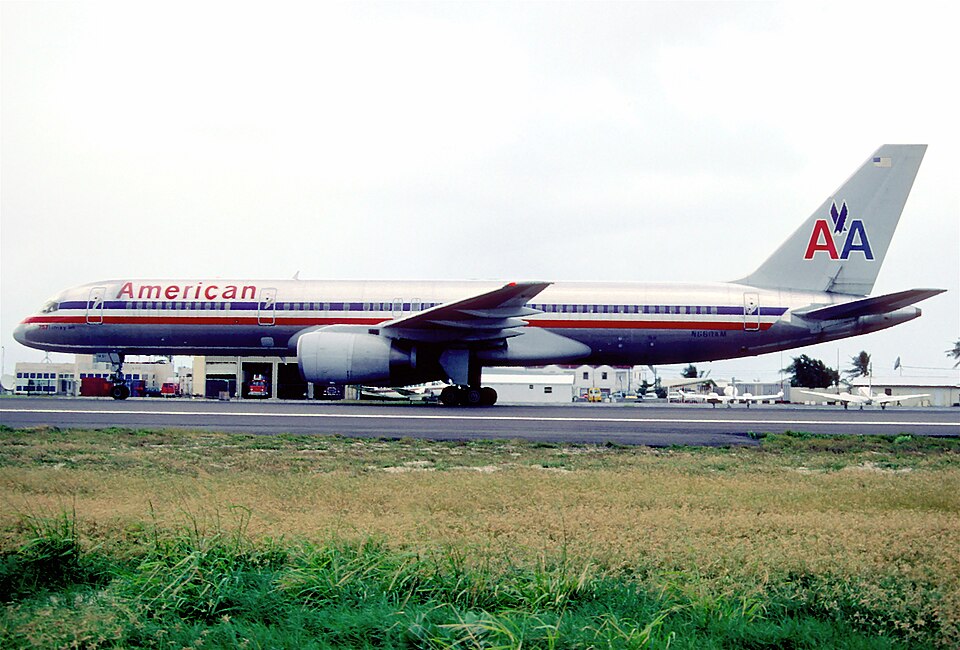
Flight Details
The aircraft was in level cruise flight at flight level 370 (FL370). The fasten seatbelt sign was not illuminated at the time of the turbulence encounter. Prior to the event, the captain had delivered a passenger address advising them of the possibility of a bumpy ride and recommending keeping seatbelts fastened while seated. The flight was planned by American Airlines meteorologists, who entered a turbulence index of '0' for the segment from Billings, Montana, to Dupree, South Dakota, indicating an expectation of smooth air on average for that portion of the flight.
Weather Conditions
The area featured widely scattered thunderstorm cells. The airborne weather radar was configured to a range of 160 nautical miles with a tilt setting of approximately 1 to 2 degrees downward. Three distinct cells were observed: one cell 20 nautical miles to the left of the aircraft, towering above the aircraft's altitude; a second cell 40 nautical miles to the right; and a third cell that appeared independently from beneath and in front of the aircraft. Convective activity had been forecast for the area despite the low turbulence index.
Turbulence Encounter
The aircraft encountered convection induced turbulence (CIT). The vertical acceleration recorded during the event ranged from +2.01 g to -0.75 g. As a result of the turbulence, 20 passengers and 2 flight attendants sustained minor injuries. No injuries were reported among the other 120 passengers and 5 crew members.
Investigation Notes
The investigation did not assign a probable cause.