Discovery of Damage
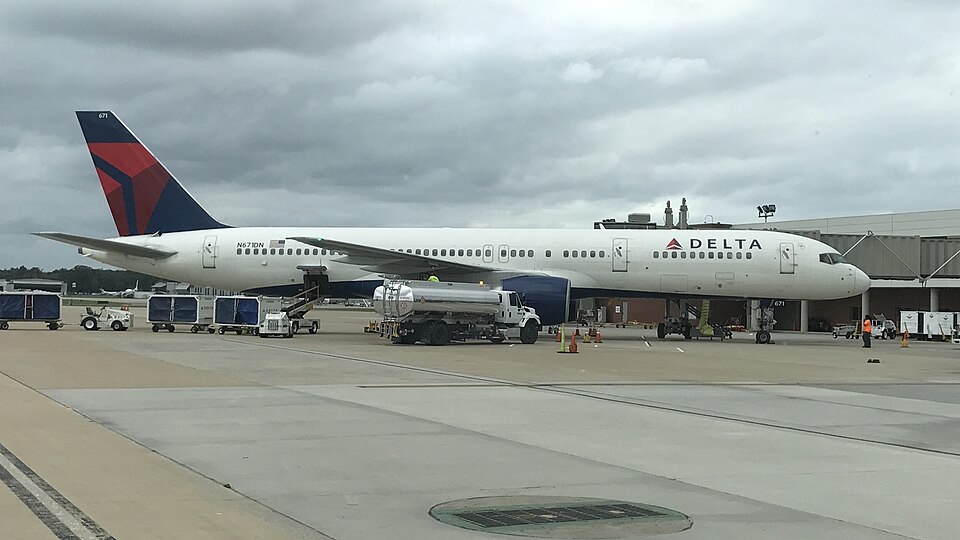
After the airplane arrived in Los Angeles, a post-flight walk-around inspection revealed that the outside of the fuselage had buckled on the left side above the nose landing gear door. Further examination disclosed that structural members in the nose wheel well were bent and fractured. The airplane sustained substantial structural damage to the fuselage in the nose wheel area during landing.
Flight and Maintenance History
The same flight crew flew the airplane from Atlanta to El Salvador and back to Atlanta. Another flight crew then boarded the airplane and continued to Los Angeles. No discrepancies were reported by either flight crew or by maintenance personnel in El Salvador and Atlanta. The crew that landed in El Salvador stated that the nose gear touched down more firmly than the main landing gear. They completed a post-flight inspection but detected no abnormalities.
Flight Data Recorder Analysis
The flight data recorder was removed and sent to the Safety Board's Vehicle Recorder Laboratory for readout and evaluation. A specialist conducted a data comparison for the landings in El Salvador, Atlanta, and Los Angeles. In the El Salvador landing sequence, the air/ground discrete indicated "air" then a second later indicated "ground." A second later it indicated "air" again and then a second later indicated "ground" and remained "ground" for the remainder of the landing rollout. During this phase, a right roll angle developed, while the pitch angle and control column movements were more pronounced than on the other landings. For the Atlanta and Los Angeles landings, the air/ground discrete indicated "air" then a second later indicated "ground" and remained "ground."