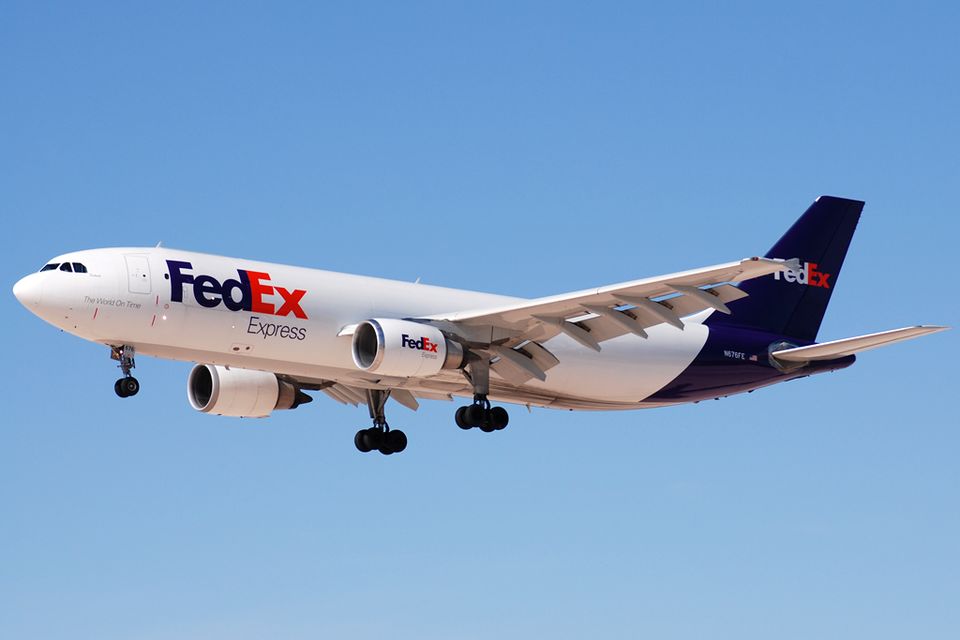
Incident Summary
During climb out from the departure airport, the flight crew declared an emergency after detecting smoke in the cockpit. The crew reported a acrid smell followed immediately by the illumination of the MAIN DECK CARGO FIRE warning light and an associated audio tone. The crew conducted the prescribed emergency procedures, declared an emergency, and returned to the departure airport for a normal landing. After landing, the crew attempted to evacuate via the 1R emergency slide, but it failed to inflate.
Emergency Response
After the cargo fire warning light illuminated, the crew turned back. On the downwind leg, the MAIN DECK CARGO FIRE light extinguished. However, during final approach, the MID 2 LOOPS A and B warning lights illuminated. Following landing and the failure of the 1R slide to inflate, the first officer successfully opened the door and made several unsuccessful attempts to manually inflate the slide. The slide's inflation bottle was later found to be fully pressurized.
Post-Incident Examination
Maintenance personnel removed the slide from the airplane and noted that the transport-locking pin was present with the slide. The slide was disassembled and inspected at the manufacturer's facility. No discrepancies were found that would have prevented the slide from inflating. However, damage was found to the slide's girt bar in the area of the manual inflation handle, consistent with the transport-locking pin being installed in the inflation bottle's regulator at the time of slide deployment.
Findings
The cause of the smoke was determined to be oil or other fluid contamination of the air-condition packs.