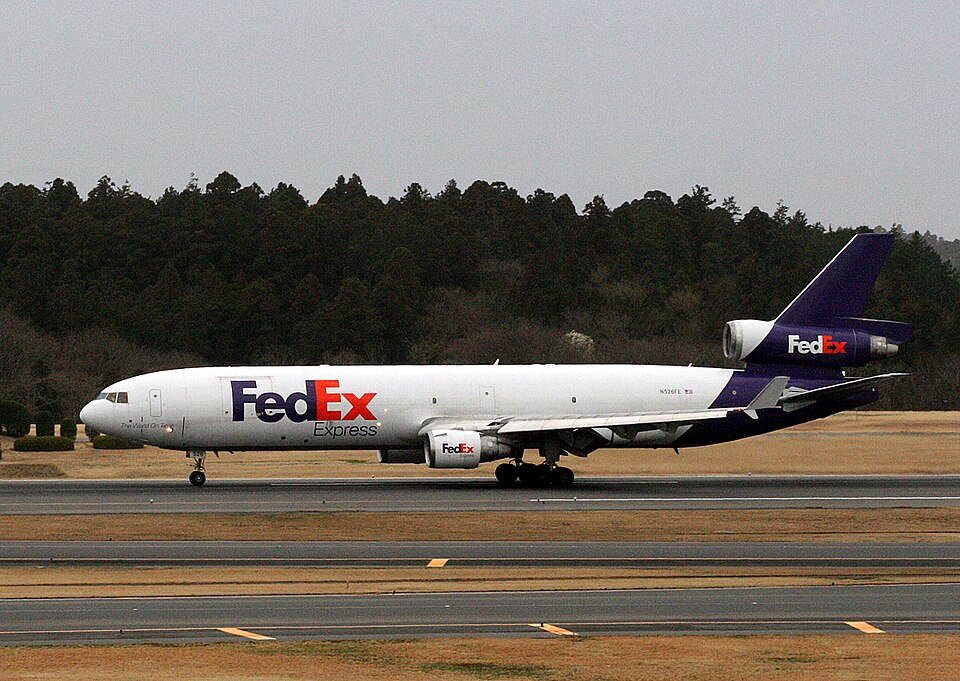
Accident Summary
On approach to Runway 34L at Narita International Airport, the aircraft experienced a series of bounces during landing. The left wing separated from the fuselage, and the airplane caught fire. It rolled to the left, swerved off the runway, and came to rest inverted on the grass area. The Pilot in Command (PIC) and First Officer (FO) were on board and suffered fatal injuries. The aircraft was destroyed, with most parts consumed by a post-crash fire.
Sequence of Events
Upon landing, the aircraft bounced repeatedly. During the third touchdown, the load transferring from the left main landing gear (MLG) to the left wing structure exceeded the design limit, leading to left wing fracture. Fuel spillage from the left wing ignited, causing a fire. The airplane then swerved left, rolled over, and came to rest inverted.
Probable Cause
The official investigation determined that during landing, the airplane entered porpoising. The left wing fractured due to loads surpassing the design limit on the third touchdown. Fire resulted from ignited fuel spillage. Direct causes included large nose-down elevator input at the first touchdown, causing a rapid nose-down motion and subsequent touchdown on the nose landing gear (NLG) with negative pitch attitude. Ground reaction forces rapidly increased pitch, leading to a larger second bounce. The pilot flying (PF) made large elevator inputs without thrust during the second bounce. Indirect causes were fluctuating airspeed and pitch from gusty winds, resulting in a high sink rate approach; a late flare with large nose-up elevator input caused the first bounce; large pitch attitude changes possibly hindered crew assessment; and the pilot monitoring (PM) did not adequately advise, override, or take over. Additionally, it was considered somewhat likely that if the fuse pin in the MLG support structure had failed under the overload condition, fuel tank damage might have been reduced, but the pin likely did not fail due to the failure mode not being assumed for vertical load overload during MD-11 type certification.