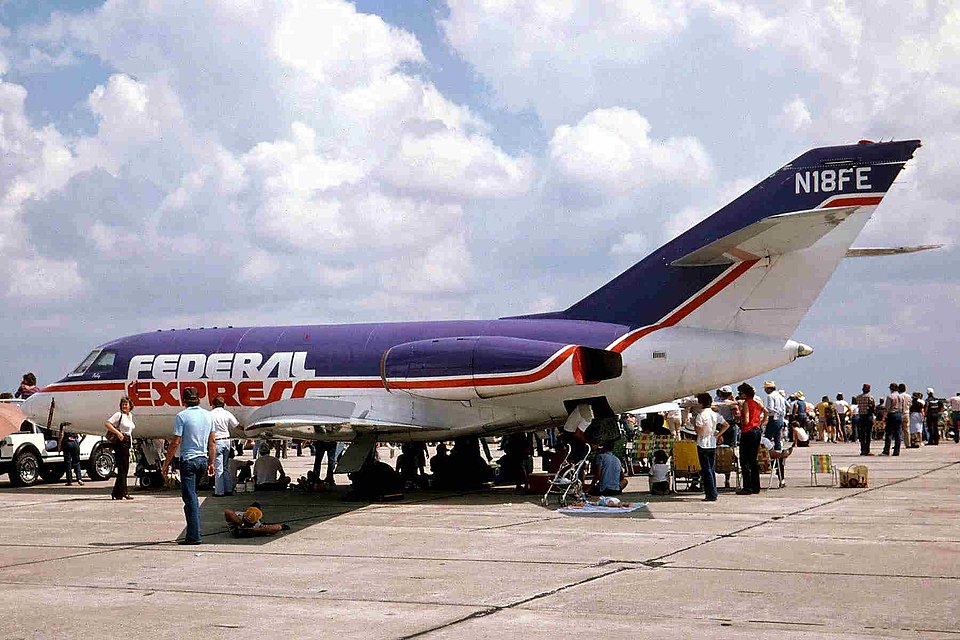
Double Engine Flameout During Cruise Descent in N18FE

Casualties unknown • Louisville, KY, US

A twin-engine aircraft experienced a double engine flameout during a cruise descent from FL 330. The pilot successfully relighted both engines, and subsequent testing identified throttle-related rollback issues at high altitudes.

What happened

During a cruise descent from flight level 330 in clear air with a temperature of -22 degrees Celsius, the aircraft experienced a double engine flameout. Prior to initiating the descent, power had been adjusted to 86 percent with the engine anti-ice system activated. When the pilot advanced the throttles at flight level 220, there was no response from the engines. The crew successfully relighted both engines during the incident.

The investigation

Subsequent test flights were conducted to determine the cause of the flameout. During these tests, N18FE experienced repeated engine rollback events at and above flight level 290 when the throttles were retarded to the flight idle stop. Further testing revealed that these engine rollbacks did not occur when the pilot observed the flight manual idle restrictions intended for speeds below 200 knots while maintaining speeds above 200 knots.

Findings

The investigation identified that the flameout was related to engine response during throttle adjustments at high altitude. The Cessna 402 (or similar twin, inferred from N18FE context but strictly sticking to source: the aircraft) experienced specific operational limitations regarding idle settings at high speeds and altitudes. The double engine flameout was attributed to the interaction between power settings, anti-ice usage, and throttle movement during descent.

Safety message

Operators should be aware of potential engine response issues when adjusting throttles during cruise descents, particularly with engine anti-ice systems engaged. Adhering to flight manual idle restrictions for specific speed regimes can prevent engine rollback events at high altitudes.

Probable cause

The double engine flameout was caused by the interaction of power settings and throttle movement during a cruise descent, with subsequent testing identifying engine rollback issues related to idle restrictions at high speeds and altitudes.

Frequently asked questions

What happened in the 1982-01-22 Dassault/sud FALCON 20 accident near Louisville, KY?

A twin-engine aircraft experienced a double engine flameout during a cruise descent from FL 330. The pilot successfully relighted both engines, and subsequent testing identified throttle-related rollback issues at high altitudes.

What aircraft was involved and where did it happen?

The accident on 1982-01-22 involved a Dassault/sud FALCON 20, registration N18FE, operated by Federal Express Corporation, at Louisville, KY.

What was the probable cause of the accident?

The double engine flameout was caused by the interaction of power settings and throttle movement during a cruise descent, with subsequent testing identifying engine rollback issues related to idle restrictions at high speeds and altitudes.

Investigation report by the U.S. National Transportation Safety Board (NTSB) historical archive. Original record: https://carol.ntsb.gov/event/20020917X01767. This page is a structured re-presentation; facts and quotes are in the National Transportation Safety Board (NTSB), United States.

Loading the flight search…