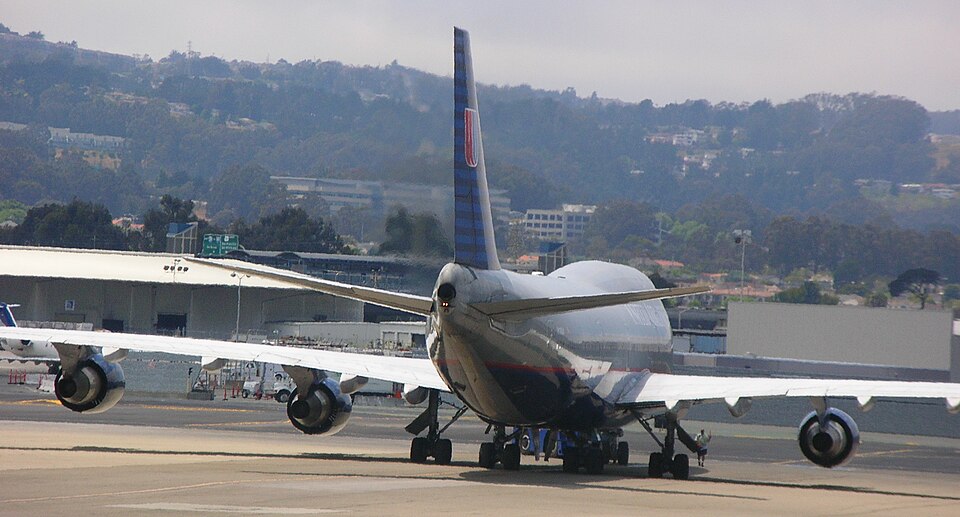
Incident Overview
The first officer, serving as the flying pilot, conducted the takeoff on runway 10L. The winds were from 180 degrees at 16 knots, gusting to 22 knots. The takeoff roll was normal, and the flying pilot used control wheel input to correct for the crosswind. A few seconds after rotation, the crew noted the stick shaker annunciate, and the flying pilot responded by gently easing back pressure off the control yoke. Controllers in the tower reported that the airplane may have struck the tail, prompting the crew to return and land at the departure airport.
Flight Data Analysis
Flight Data Recorder (FDR) information indicated that the takeoff occurred during directionally variable wind conditions. The wind shifted during the takeoff roll, resulting in a decreasing headwind, an increasing crosswind, and finally an average 8-knot tailwind during rotation. The maximum pitch rate during rotation was slightly higher than average but within normal expected variation; analysis showed this was a minor contributor to the tail strike. The flying pilot used significant wheel input (35 degrees right wheel) to counter the increasing crosswind, which raised the right spoiler 12 degrees, causing a corresponding loss of lift. Rotating at a lower airspeed required a higher angle of attack and pitch attitude to achieve liftoff. The combination of the tailwind gust and spoiler movement resulted in the airplane's pitch attitude exceeding 12.6 degrees while the gear was still on the ground, leading to aft body contact with the runway.
Weather and Wind Conditions
The wind during the takeoff roll was variable. The shift from headwind to tailwind occurred as the airplane rotated, with an average 8-knot tailwind at that moment. The crosswind component increased, requiring substantial control input.
Manufacturer Recommendations
For a typical takeoff in gusty or strong crosswind conditions, the manufacturer recommended using maximum takeoff thrust and avoiding rotation during a gust. Slightly delaying rotation would allow additional time to accelerate through the gust, and greater airspeed would improve the tail clearance margin.
System Function
The FDR-recorded longitudinal control system parameters suggested a properly functioning system. The airplane motion was consistent with the control inputs and power settings.