Incident Overview
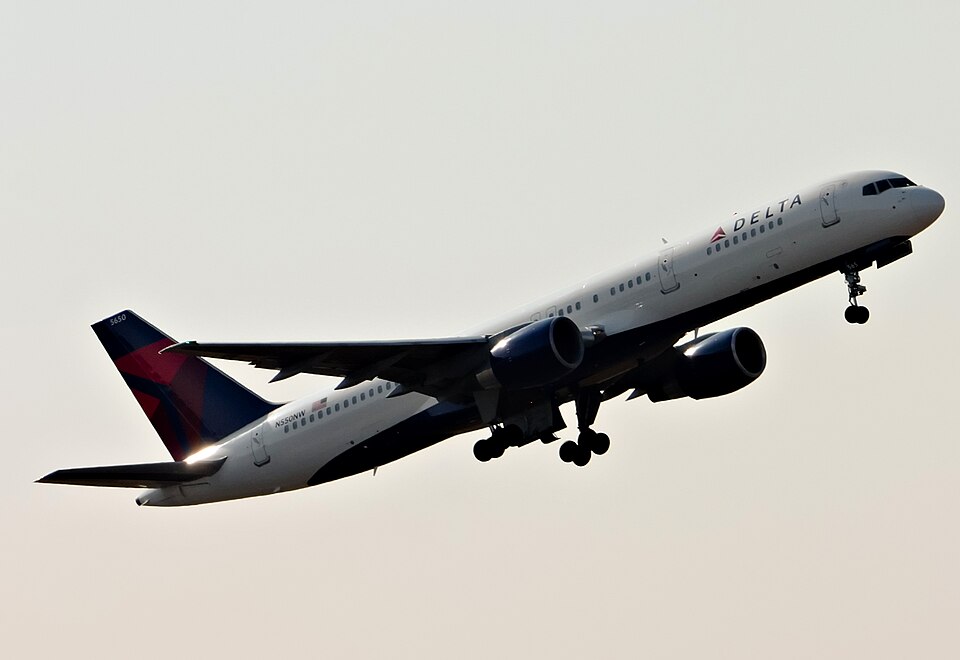
A Boeing 757-251 arrived at a terminal gate and was parked. A flight attendant proceeded to door 2L of the aircraft. Outside on the jetway, a customer service agent (CSA) knocked on the door, which is the standard signal for the flight attendant to indicate readiness by giving a visible thumbs-up signal. The flight attendant reported that she gave a thumbs-up after the first knock and stepped away from the door. The door did not open, and she heard a second knock. She then gave a second thumbs-up through the cabin door window. As she was signaling, the door handle came down on her wrist.
Account from the Customer Service Agent
The CSA reported that after his first knock, he did not receive a thumbs-up, so he knocked a second time. The flight attendant inside gave a thumbs-up signal. The CSA then opened the airplane door from the outside. During the opening procedure, the inside handle of the door struck the flight attendant on the forearm.
Medical Findings
The flight attendant was taken to a local hospital and initially diagnosed with a fractured wrist. However, on June 23, 2004, the operator informed the National Transportation Safety Board (NTSB) Investigator-In-Charge that the flight attendant had a follow-up examination with her own physician in Minnesota. Additional x-rays revealed that the wrist was not broken but had sustained a sprain. The flight attendant continued to experience pain and underwent a magnetic resonance image (MRI) of the wrist on July 2, 2004, which was normal.
Operating Standards
Airline personnel provided a copy of their cabin operating standards, which state the following procedure: "To prepare cabin door for opening; 1. CSA knocks on door and awaits 'thumbs-up' signal from FA. 2. FA gives thumbs-up signal to CSA to indicate that door is disarmed and safe to open. 3. CSA opens cabin door after FA moves hands clear of door." Additional information from the airline indicated that the door opening procedure precludes a second thumbs-up signal unless the CSA knocks a second time.