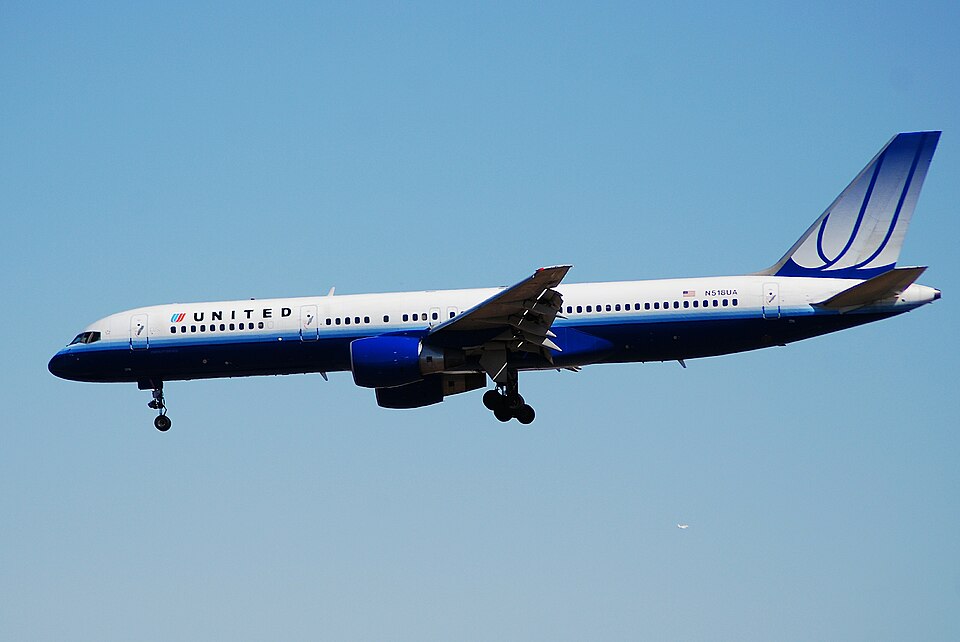
Incident Details
An air carrier flight encountered turbulence associated with mountain wave activity while cruising at flight level 390 (FL390). The encounter resulted in serious injuries to one flight attendant who was located in the aft galley. No passengers or other crew members were injured, and the aircraft itself was not damaged.
Cockpit Crew Report
According to the captain, the airplane was established in cruise at FL390 with smooth air conditions. The turbulence encounter began with a "slight buffet" and a "rapidly increasing" airspeed. The captain attempted to maintain cruise airspeed by decreasing engine power and climbing to a higher altitude. As she initiated the climb, the aircraft experienced moderate turbulence. When the airplane reached FL400, the airspeed began a "rapid decrease," prompting the captain to initiate a descent back to FL390. The flight subsequently descended to FL350 before the conditions smoothed out. The captain noted that the turbulence was encountered "suddenly and without warning."
Flight Data Recorder Information
The flight data recorder indicated that the airspeed increased from 236 knots to 273 knots during the encounter. A vertical acceleration spike of 1.81 g's, followed by 0.61 g's, was recorded 64 seconds after the initial increase in airspeed.
Weather and ATC Communications
The weather forecast provided to the crew listed a risk of moderate turbulence between 20,000 and 38,000 feet. While ATC communications described light turbulence and moderate chop at lower altitudes, no reports from ATC, company dispatch, or other aircraft were received regarding mountain wave activity or turbulence at 39,000 feet.