Casualties unknown

Turbulence Encounter During Approach Leads to Flight Attendant Ankle Fracture (N648SW)

LA Plata, MD, US

On April 25, 2007, a Boeing 737-300 (registration N648SW) was involved in an aviation accident near LA Plata, MD. Investigators recorded the probable cause as: An in-flight encounter with turbulence and the flight crew's failure to advise the cabin crew about potential forecast turbulence, as reported by the flight attendant. This summary draws on records from the U.S. National Transportation Safety Board (NTSB) historical archive; 8 related events involving the same aircraft type or operator are linked below.

Sourcesthe U.S. National Transportation Safety Board (NTSB) historical archivePrimary reportUpdated 2026-06-10Data APIEditorial standards
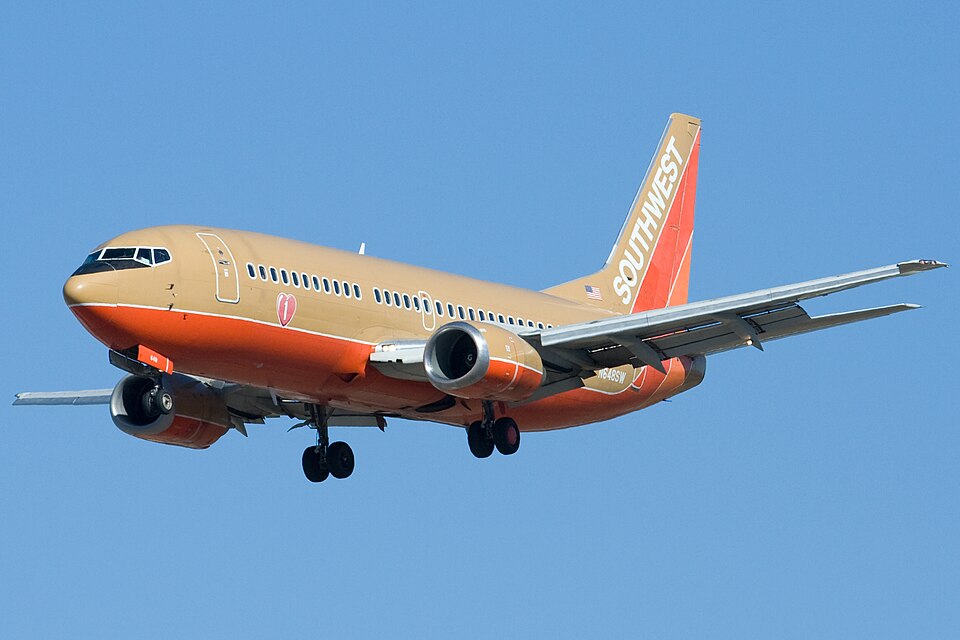
Aircraft registered N648SW
Aircraft registered N648SW. Photo: Dylan Ashe from San Jose, USA / CC BY-SA 2.0, via Wikimedia Commons

During descent through broken clouds for landing, a flight attendant in the aft galley sustained a fractured ankle after encountering turbulence. The weather packet included moderate turbulence warnings below 12,000 feet, but the crew briefing reportedly lacked significant turbulence potential information.

Overview

A flight attendant suffered a fractured ankle when the aircraft encountered turbulence while descending through a broken cloud layer during approach. The incident occurred as the flight was preparing to land.

Details

The flight was descending through a layer of broken clouds when turbulence was encountered. A flight attendant who was standing in the aft galley at the time sustained a fractured ankle. The weather packet provided to the flight crew contained airmen's meteorological information (AIRMET) that warned of moderate turbulence for altitudes below 12,000 feet in the accident location.

Crew Briefing

The operator's procedures required the flight crew to brief the cabin crew prior to each flight regarding the forecast turbulence for the trip. However, the injured flight attendant stated that the briefing did not contain any significant turbulence potential information, and that there were no en route turbulence updates provided during the flight.

Conclusion

The incident highlights the encounter with turbulence during descent and the discrepancy between the forecast turbulence warnings and the information relayed to the cabin crew. No analysis or causal factors are provided beyond the facts stated.

Investigation report by the U.S. National Transportation Safety Board (NTSB) historical archive. Original record: https://carol.ntsb.gov/event/20070520X00598. This page is a structured re-presentation; facts and quotes are in the National Transportation Safety Board (NTSB), United States.