Incident Overview
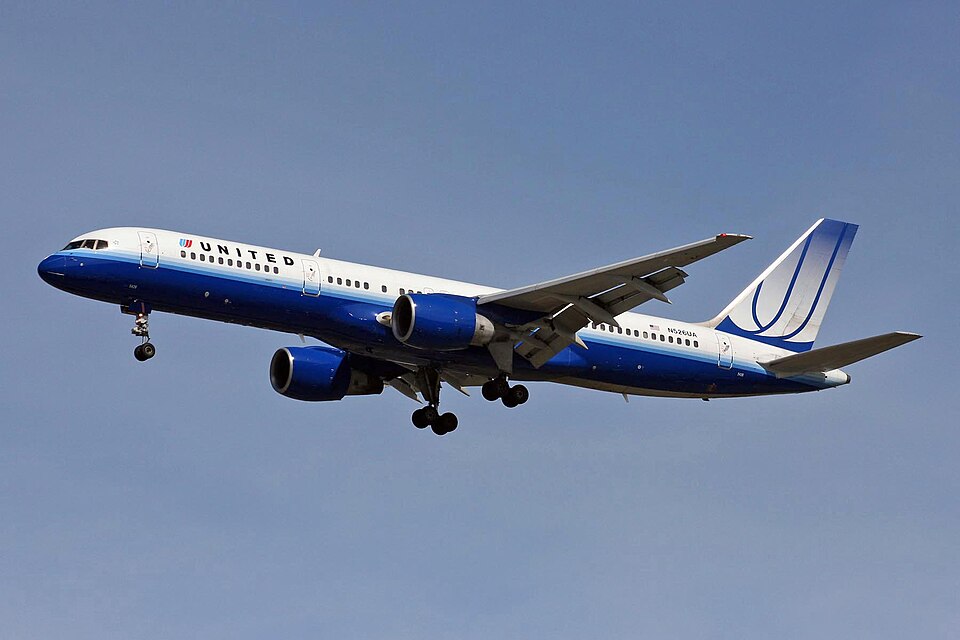
On September 26, 2011, at 1637 mountain daylight time, a Boeing B-757-222, registration N526UA, operated by United Airlines as flight 909, experienced a bird strike involving the left engine after touchdown on runway 35R at Denver International Airport (DEN), Denver, Colorado. The flightcrew reported that after initial touchdown and application of full reverse thrust, two hawks were observed on the runway centerline. Shortly after, impacts were felt on the fuselage, followed by a 'hot' odor in the cockpit. After the airplane cleared the runway, a No. 1 engine oil pressure light illuminated with a low oil pressure indication. The No. 1 engine spooled down on its own while the airplane continued taxiing using only the No. 2 engine to taxiway 'EE'. A flight attendant observed smoke from the rear of the No. 1 engine, prompting the flightcrew to request Airport Rescue and Firefighting (ARFF). The No. 1 engine was shut down using the Engine Fire or Engine Severe Damage or Separation procedure. ARFF inspected the airplane and found no fire. The airplane was towed to the gate, and passengers deplaned normally. Of the 179 passengers and 6 crewmembers on board, no injuries were reported. The flight was a domestic passenger operation under 14 CFR Part 121 from Chicago O'Hare Airport (ORD) to DEN. Day visual meteorological conditions prevailed, and an instrument flight rules flight plan was filed.
Aircraft and Engine Damage
Examination of the airplane revealed minor gouging of the fuselage and under the left wing, with no through holes. A passenger window was nicked, and the left-hand main landing gear forward right tire was slashed but not deflated. The inner barrel of the No. 1 engine inlet cowl exhibited multiple impacts, gouges, and through-holes that penetrated the outer skin at two locations. The No. 1 engine fan blades were extensively damaged, with three blades fractured transversely across the airfoil at or near the mid-span shroud, all within a consecutive group of five blades. No penetration or breaches were observed in any engine cases, but the fan case exhibited several bulges corresponding to hard impacts and missing fan blade rub strip material. The No. 2 engine had several fan blades with minor leading edge impact damage primarily outboard of the mid-span shroud.
Bird Identification
A United States Department of Agriculture Wildlife Biologist collected one whole intact bird and remains of a second bird from runway 35R. The intact bird was identified as a juvenile Red-Tailed Hawk. The remains of the second bird, along with remains from the No. 1 engine, were sent to the Smithsonian Institution and identified as coming from a female Red-Tailed Hawk. Red-Tailed Hawks range in weight from about 24.3 to 51.50 ounces (1.52 to 3.22 pounds), with females larger.
Certification Requirements
The PW2037 engine was certified under Part 33, Amendment 6, with a 4-pound bird ingestion requirement. Examination confirmed the engine did not catch fire, had no case penetrations, could be shut down normally, and imbalance loads were within certification limits. Engine containment standards under Part 33.19 were met; the fan case bulged but had no exit holes or uncontainments. No containment requirements exist for airplane inlets or nacelles to contain engine debris; however, Part 25.903 requires design precautions to minimize hazards from uncontained engine failures. The airplane sustained only minor superficial damage, none posing a hazard.