Factual Information
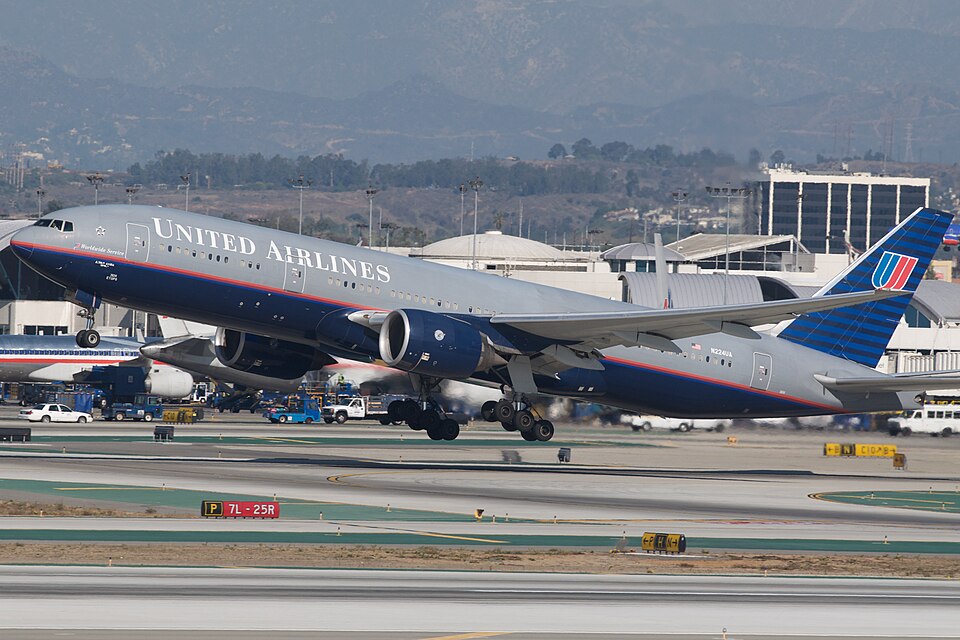
On July 5, 2012, at 14:18 local time, a United Airlines Boeing 777-200, registration N224UA, was operating scheduled Flight 890 from Incheon International Airport to Narita International Airport. The aircraft was at an altitude of approximately 23,000 feet, about 150 kilometers north of Narita, when it encountered moderate turbulence.
Flight History
The flight departed Incheon at 12:55 JST with 256 persons on board, including the pilot in command (PIC), first officer (FO), and 11 other crew members. The PIC was pilot monitoring and the FO was pilot flying. During descent, the crew observed a small cumulonimbus cloud near waypoint LIVET, with a top height of approximately 24,000 to 25,000 feet. The weather radar displayed only weak green returns. The crew initiated a slight turn to avoid the cloud and later requested a further deviation to the left, which was approved by air traffic control. While passing around the green return, the aircraft entered the cloud and experienced a moderate turbulence lasting about five seconds, with two rapid shakes. The seat belt sign had been turned on for the approach phase, but the PIC did not specifically warn the flight attendants about possible turbulence, as he did not expect significant turbulence.
Injuries and Damage
Four flight attendants working in the rear galley were thrown into the air and against the floor twice in succession due to the sudden shaking. One flight attendant sustained serious injuries, while the other three had minor injuries. No damage to the aircraft was reported.
Weather Conditions
The atmosphere was unstable due to a trough with a cold air mass, leading to development of convective clouds. Weather radar imagery showed that the echo strength increased around the occurrence point, with cloud tops reaching 26,000 feet and above. No significant weather, including turbulence, had been forecast for the route.
Galley Configuration
The rear galley lacked handholds specifically designed for turbulence. Fixed objects such as counters and cart handles were available as substitutes but were located at some distance from the flight attendants due to the galley's larger space. All carts were stored at the time.
Crew Response
Flight attendants in other areas sat in jump seats or held onto objects. Those in the rear galley were unable to hold onto fixed objects when the aircraft shook suddenly, likely because the rear airframe sank abruptly and they had no prior warning.
Probable Causes
The Japan Transport Safety Board determined that it is highly probable the accident occurred when the flight attendant was seriously injured because the aircraft was shaken heavily. It is probable the aircraft was shaken heavily because it was unable to avoid the rapidly developing cumulonimbus and entered a part of the cloud. The flight attendant was seriously injured because she was unable to hang onto fixed objects when the aircraft shook suddenly.