History of the Flight
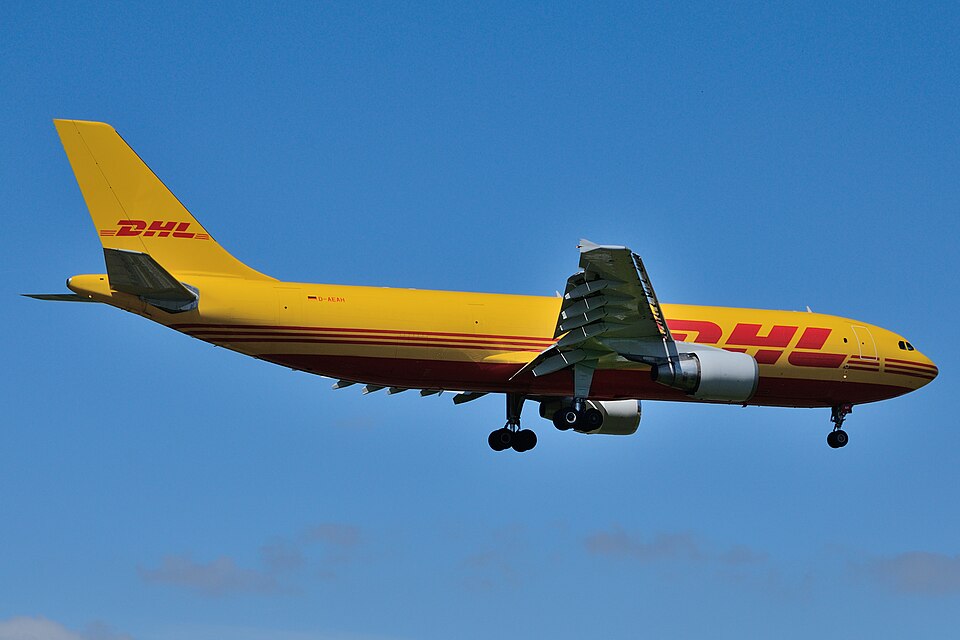
On 1 April 2014, at approximately 1711 local time, an Airbus A300B4-622R cargo aircraft, registration D-AEAH, operating flight DHX520, arrived at Abu Dhabi International Airport from Lahore. The aircraft parked at parking bay 205. It was loaded with thirty cargo containers and pallets, ten of which were scheduled for unloading at Abu Dhabi. At 1348 UTC, while the final pallet for Abu Dhabi was being unloaded, the aircraft tipped onto its tail.
Unloading involved a loadmaster and two different ramp teams. The loadmaster left before the process was completed, and a work shift change of the ramp teams occurred during unloading.
Investigation Findings
The investigation, conducted by the Air Accident Investigation Sector (AAIS) of the General Civil Aviation Authority (GCAA), determined three causes of the tail tipping:
- The aircraft center of gravity (CG) position exceeded the aft CG limit of the aircraft stability on wheels.
- The unloading process was not conducted as per the operator's standard operating procedures.
- The aftwards movement of unlocked Unit Load Devices (ULDs) on the main deck, while the nose was pitching up slowly, caused the CG to move further aft beyond the limit.
Contributing Factors
Six contributing factors were identified:
- Inadequate briefing, instruction, and supervision by the loadmaster to the ramp team.
- Failure to inspect the physical lock positions of repositioned ULDs.
- Improper work shift change of the ramp teams.
- Lack of clear definition of individual responsibilities for loading/unloading tasks in agreements between organizations.
- Lack of specific loading/unloading training on the aircraft type for the loadmaster.
- The loadmaster had not been made aware of his responsibilities per DHL procedures.
- The loadplan did not reflect a change of unloading destination for some containers.
Safety Recommendations
A total of ten safety recommendations were issued in the report, addressed to the operator, handling companies, and airport ground handling services.
Damage
The aircraft sustained damage as a result of the tail tipping. No other damage was reported. No persons were on board and no injuries occurred.