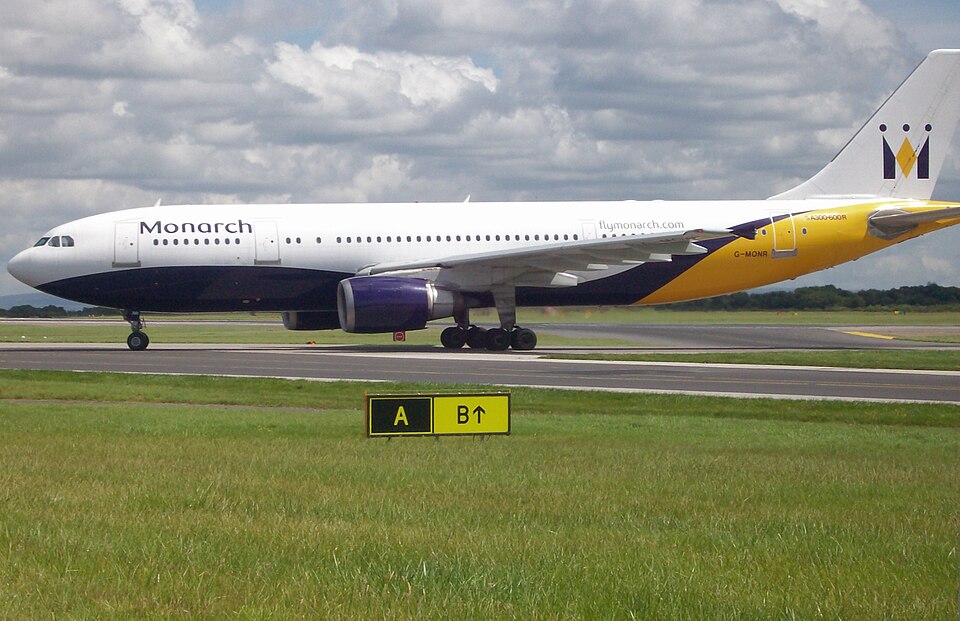
Incident Overview
On 27 January 2003, an Airbus A300B4-605R, registration G-MONR, was in cruise at Flight Level 280 en route from Bahrain to London Gatwick Airport when it encountered clear air turbulence (CAT). The aircraft, powered by two General Electric CF6 turbofan engines and manufactured in 1989, was operating a public transport passenger flight with 14 crew and 359 passengers on board.
Sequence of Events
Initially, light CAT was experienced, prompting the commander to activate the Seat Belt sign. In accordance with standard company procedures, cabin crew verified that all passengers were secured and reported this to the commander. The commander allowed cabin service to continue but advised the crew to remain vigilant for any increase in turbulence.
Approximately five minutes later, severe CAT occurred without warning. The aircraft experienced a rapid climb, and the commander disengaged the autopilot to manually control airspeed. During the resulting maneuvers, the aircraft's altitude fluctuated between FL283 and FL278. Inside the passenger cabin, the violent motion threw cabin crew and service trolleys about.
Injuries and Continuing Flight
Following the incident, doctors who were passengers on board provided medical attention to the injured individuals. They determined that none required immediate hospitalisation. With no indications of aircraft damage, the commander proceeded to the planned destination, where an uneventful landing was conducted. The injuries reported included three minor injuries among the crew and one serious injury among passengers.
Meteorological and Technical Information
No CAT had been forecast for the area where the turbulence occurred. The aircraft's weather radar did not indicate any significant weather along the route, although thunderstorm flashes were observed approximately 50 nautical miles away.
Post-Flight Analysis
A post-flight analysis of the aircraft's flight data revealed that the aircraft was subjected to a maximum of +2.08 g and a minimum of -0.24 g over a period of two seconds. A Phase 1 Severe Turbulence check conducted on G-MONR confirmed that the aircraft sustained no damage.
Commander Details
The commander held an Airline Transport Pilot Licence, was 49 years old, and had accumulated 14,687 total flying hours, including 6,041 hours on the Airbus A300. His recent flying experience included 86 hours in the last 90 days and 36 hours in the last 28 days.