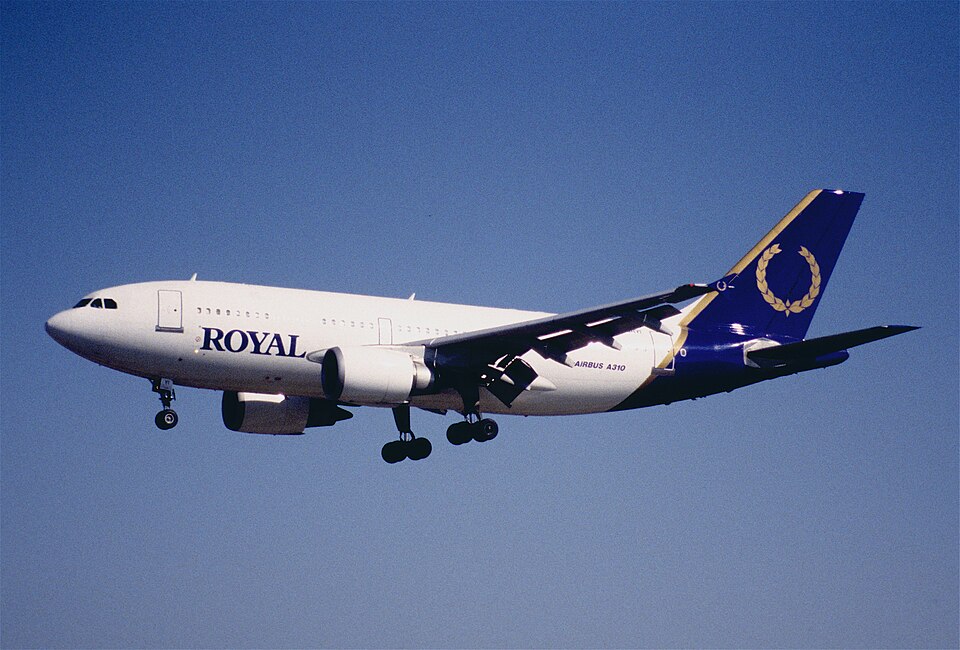
Incident
On 19 August 2000 at 2120 UTC, an Airbus A310, registration C-GRYI, operated as a public transport flight, struck the underside of a jetty while parking at Stand 15 of London Gatwick Airport. The aircraft's left engine cowl was punctured, creating a 12x6 inch hole. There were 9 crew and 250 passengers on board; none reported injuries.
Stand 15 Parking Systems
Stand 15 was equipped with Azimuth Guidance for Nose-In Stands (AGNIS) and Parallax Aircraft Parking (PAPA) systems. Emergency stop buttons were available at ground level and in the jetty head. Activation of either button extinguished both AGNIS and PAPA systems and illuminated a red STOP sign below the AGNIS.
Commander's Report
According to the commander, the company's airfield plates for London Gatwick did not include information on the stand entry guidance system. As the aircraft turned onto the stand, the commander observed the green stand number '15' and the AGNIS system illuminated. The remainder of the stand appeared dark, and he did not notice the PAPA board. Both pilots focused on the AGNIS but periodically glanced at the dark panel to its right. They expected to see stopping information similar to systems used at other airports, such as Vancouver. The commander felt uneasy as the aircraft neared the terminal building but assumed the AGNIS would flash or deactivate if the aircraft was in danger. He eventually decided "something was just not right," stopped the aircraft, set the parking brake, and shut down both engines. The crew felt no impact; the commander discovered the left engine had struck the jetty later. About five minutes after stopping, he noticed the PAPA board: the white vertical light was illuminated but the front floodlights were not turned on. The commander reported a very demanding schedule over the previous two days, worsened by rescheduling and delay, and considered that consequent fatigue may have been a factor.
Operations Duty Manager's Report
The Operations Duty Manager (ODM) reported that the aircraft overshot the A310 stop mark by approximately 8.7 metres. The No 1 engine contacted and slid underneath the bridge section of the jetty. The jetty wheels remained in the parking position, and the parking aids were still illuminated. The dispatcher had activated the parking aids and was positioned at the jetty head. When a collision became imminent, he pressed what he thought was the Emergency Stop button. Investigation by the ODM determined that the dispatcher first pressed the Jetty Emergency Stop button, which isolates power to both the jetty and the parking aids, thereby removing power from the jetty head Emergency Stop button. Consequently, the STOP sign did not illuminate when he later pressed that button. The ODM also spoke briefly with the commander, who stated that the strip light across the top of the PAPA board was not illuminated, making the board difficult to see. Immediately after the incident, jetty power was restored, and both the parking aid and Emergency Stop systems were tested and found fully operational.