Accident
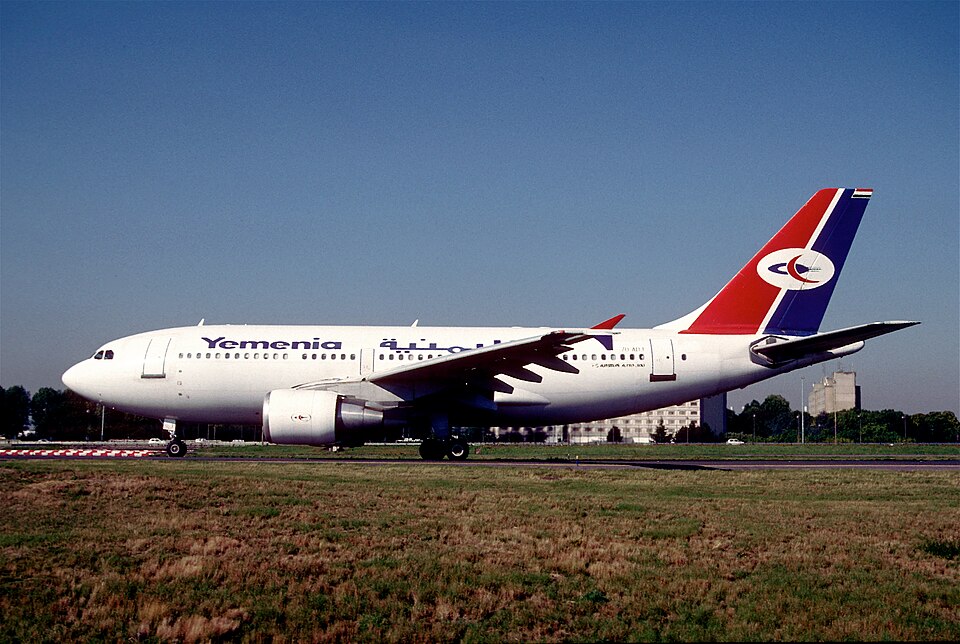
A Yemenia aircraft was on an uneventful flight from Sana'a when it began a night approach to Moroni-Prince Saïd Ibrahim Airport, runway 02. Weather conditions were reported as good, with visibility of 10 km, an outside air temperature of 24°C, and wind from 180° gusting to 25 knots for runway 20. For reasons not specified in the report, the crew initiated a go-around procedure. Shortly thereafter, the aircraft entered an uncontrolled descent and crashed into the sea approximately 6 km from the airport. A 12-year-old girl was found alive several hours later, while the other 152 occupants were killed. Both the cockpit voice recorder (CVR) and flight data recorder (DFDR) were recovered almost two months after the accident at a depth of 1,200 meters. The final report was published in June 2013.
Investigation
The investigation determined that the accident sequence began with an unstabilized visual approach. During this approach, multiple alarms sounded, including those related to ground proximity, aircraft configuration, and impending stall. The crew's attention was focused on managing the flight path and locating the runway, leaving insufficient mental resources to respond adequately to the alarms in the stressful situation.
Probable Cause
The official probable cause states: "The accident was caused by inappropriate actions on part of the crew on flight controls which brought the aircraft into a stall that could not be recovered. These actions were successive to an unstabilized visual approach during which several alarms related to the proximity of the ground, the aircraft configuration and approach to stall sounded. Crew's attention was focused on the management of the path of the aircraft and the location of the runway, and they probably did not have enough mental resources available in this stressful situation, to respond adequately to these different alarms."
Contributing factors identified in the report include: weather conditions at the airport with winds gusting to 30 knots; lack of training or pre-flight briefing of the crew in accordance with the Yemenia company operations manual, given the reluctance of the pilot to execute the MVI (Visual Maneuvering with Prescribed track); the non-execution of the MVI maneuver by the crew, implying delayed turn; and the non-application by the crew of the procedure following the PULL UP alarm.