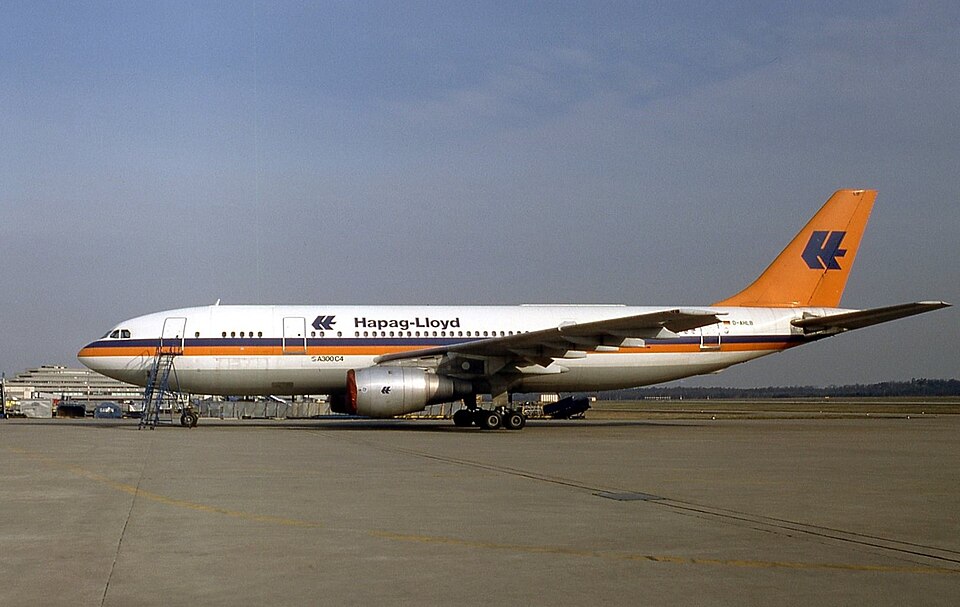
Incident Overview
On a scheduled flight from Chania-Souda Airport, the crew reported a technical problem with the right main landing gear shortly after takeoff. The gear could not be raised properly into its wheel well. The captain decided to continue the flight to Munich in a gear-down configuration, which increased fuel consumption. While en route, the crew realized that the remaining fuel was insufficient to reach Munich and decided to divert to Vienna-Schwechat Airport.
Sequence of Events
Approaching Vienna-Schwechat, at a distance of about 12 nautical miles from the airport and at an altitude of 4,000 feet, both engines failed due to fuel exhaustion. The crew managed to restart one engine for a short period. However, during the short final approach, the aircraft stalled and struck the ground on a grassy area approximately 500 meters short of runway 34. The left main landing gear broke off upon impact. The aircraft slid for about 600 meters, veered to the left, and came to rest on its left wing.
Rescue and Damage
All 151 occupants were evacuated from the aircraft. Twenty-six passengers sustained slight injuries. The aircraft was damaged beyond repair.
Probable Cause
The official investigation attributed the accident to the continuation of the flight with a landing gear problem until the engines failed due to fuel exhaustion. Additional findings included the crew's failure to comply with company fuel reserve rules due to workload and stress, reliance on the FMS without accounting for increased consumption, failure to develop alternative strategies, and non-compliance with a low fuel warning despite proximity to Zagreb Airport. The manufacturer's inadequate documentation for FMS usage in this scenario and the operator's deficient abnormal checklist and lack of fuel needs review were also noted. Contributing factors included missing preventive measures by manufacturers, approving authorities, and airlines following prior ICAO and EU DG VII publications, as well as anthropo-technical design deficiencies that could lead to misinterpretation of the FMS EFOB display.