Incident Overview
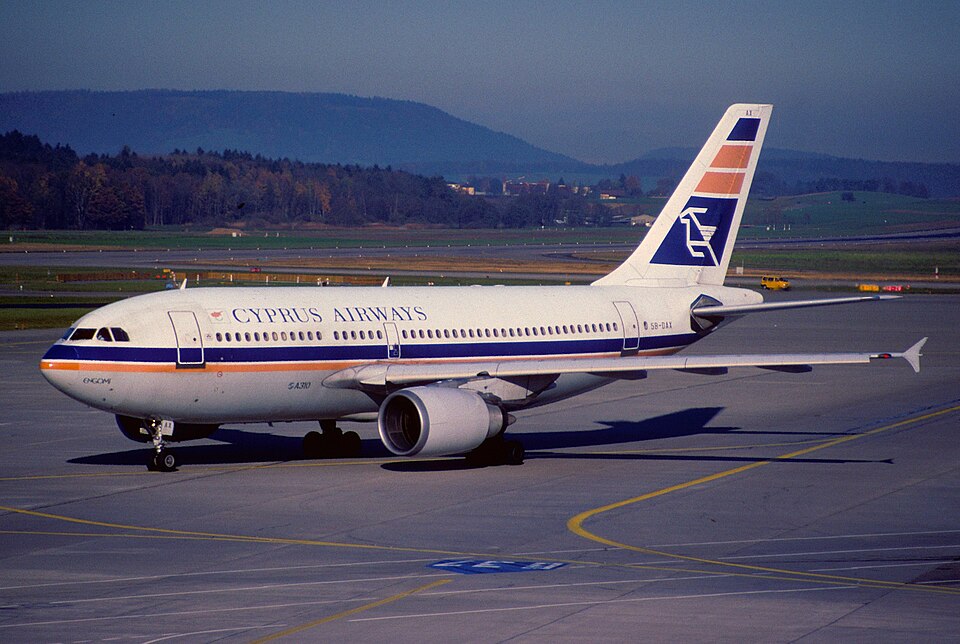
On 1 October 1998 at 0920 UTC, an Airbus A310, registration 5B-DAX, was parked on Stand E38 at London Heathrow Airport. As passengers were about to board, the first officer noticed smoke and sparks emanating from his windscreen. The airport fire services were alerted, but the fire self-extinguished before their arrival. Subsequent inspection revealed that the windscreen had cracked in multiple places.
Aircraft and Crew
The aircraft was an Airbus A310 manufactured in 1988, powered by two CF6-80C2 turbofan engines. It was being operated on a public transport flight with 9 crew members and no passengers on board. The commander, aged 46, held an Airline Transport Pilot's Licence and had accumulated 15,000 total flying hours, including 5,500 on type. His recent flying experience included 180 hours in the last 90 days and 65 hours in the last 28 days. No injuries were reported among the crew.
Equipment Examination
At the time of the incident, it was suspected that the windscreen heating controller had malfunctioned, allowing high current to remain applied after the aircraft touched down. The controller, part number 6664157, was removed and returned to the manufacturer for analysis. Examination revealed that its temperature detection thresholds were out of tolerance. Following adjustment of the thresholds and incorporation of modifications, the unit was returned to service.
Damage
The only damage reported was the overheating of the first officer's windscreen, which cracked in several places.