Controller Workload Factors
The controller's workload was increased by several factors: a high volume of traffic during the morning peak period, having recently taken over active traffic control from a trainee, and ongoing taxiway works. These demands elevated the task load on the controller.
Handover and Memory Lapse
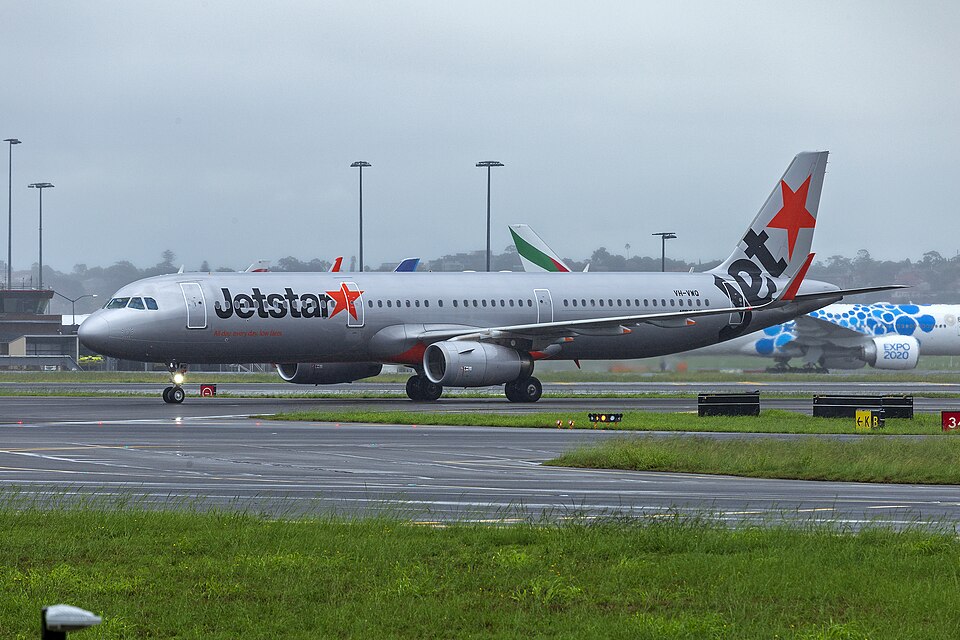
After commencing a handover to a relieving controller, the controller forgot that he had issued a clearance to aircraft VWQ to taxi through intersection A/T, mistakenly believing he had instructed the crew to hold short of T. He subsequently cleared aircraft VZB through the same intersection, creating a potential conflict. High workload situations are likely to reduce memory performance. The workload and distraction associated with the handover probably contributed to the delay in detecting this conflict. When the conflict was detected, other radio transmissions further delayed the controller in instructing the VWQ flight crew to give way to VZB until after avoiding action had already been taken.
Managing Workload During Handover
Workload experienced by a controller at a given time is subjective, making it difficult to assess the increase that can be managed before error rates rise. Implementing strategies to reduce the risk and consequences of errors due to high workload is important. A widely accepted strategy is to delay handover until a suitable lull in traffic. In this occurrence, there had been five minutes of almost continuous radio communications followed by a 30-second lull before the controller started the handover. After completing some checklist items, the controller delayed detailing the traffic to the relieving controller. Had the handover been delayed until a longer lull could be expected, it may have reduced the risk of error. However, without any prompt to record taxiing instructions, the controller remained reliant on remembering the issued clearance limits.