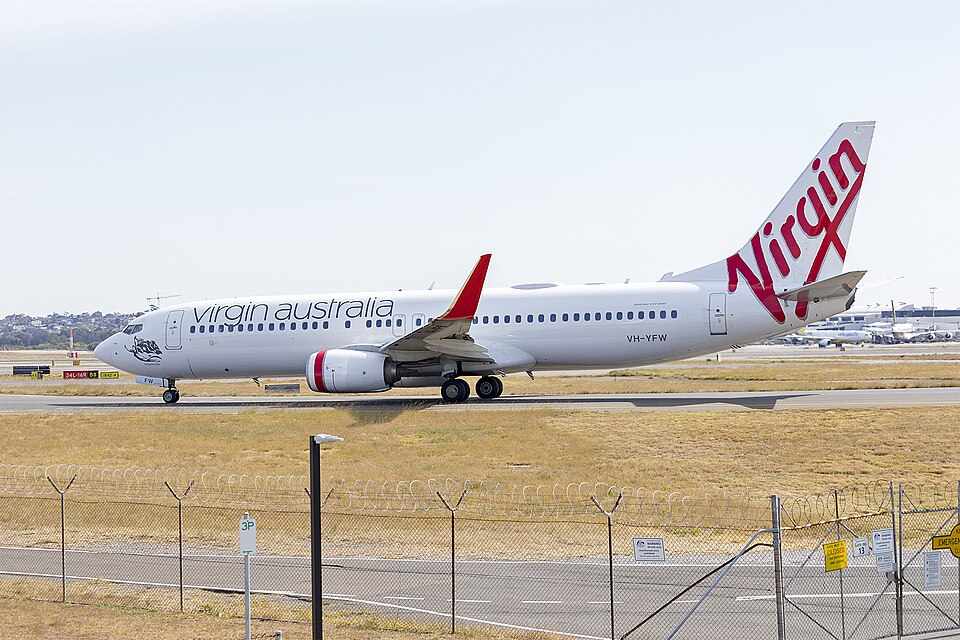
Incident Overview
On the day of the occurrence, the Brisbane Terminal Control Unit (TCU) was operating in a non-standard configuration due to the World Parachuting Championships. The Brisbane departures controller intended to turn a departing aircraft, designated YFW, to the north to avoid Amberley airspace. However, YFW did not accept turns to the north, and the situation was not effectively reassessed by the controller, leading to YFW entering Amberley airspace without a hand-off.
Contributing Factors
A rapidly moving weather front likely increased the workload for the Brisbane departures controller due to heightened coordination requirements, which may have delayed the hand-off of YFW to the Amberley approach controller. When YFW entered Amberley airspace, it was operating on a different frequency than Amberley approach and other aircraft in that airspace. Consequently, the Amberley approach controller was unable to effectively manage multiple aircraft, specifically YFW, reducing their ability to maintain separation standards.
Miscommunication and Delay
Amberley ATC did not expect YFW to enter their airspace because the Brisbane departures controller had stated the aircraft would turn north soon, consistent with previous departures. This, combined with the frequency mismatch, delayed the Amberley approach controller's ability to resolve the impending conflict. The Brisbane departures controller expected Amberley approach to assure separation between YFW and another aircraft, VZD, but was unaware that VZD had already begun its descent, placing it in conflict with YFW.
Configuration Change Impact
When the TCU reverted to a more standard configuration, this change was not communicated to Amberley ATC as per agreed procedures. This led to the Amberley approach controller contacting the incorrect Brisbane position (the departures south controller), delaying contact with the correct controller by 4 minutes and 30 seconds. As a result, there was an opportunity for Brisbane TCU to advise Amberley of the new configuration before it became necessary for Amberley approach to contact them.
Consequences
The Amberley approach controller contacting the incorrect controller resulted in a reduction of potential recovery time by 17 seconds before reaching the correct Brisbane controller. Based on estimated ground speeds obtained from Airservices, this 17-second delay reduced the lateral separation between the two aircraft by approximately 6 km (3.24 NM). This communication delay decreased the time available to recover the impending loss of separation while the aircraft were closing on reciprocal tracks. If the configuration change had been immediately relayed to Amberley ATC, the Amberley approach controller would have had more time to resolve the conflict and possibly maintain separation requirements.