No fatalities

1988-02-08: Boeing 707 (D2-TOI) — TAAG Angola Airlines - Transportes Aéreos de Angola — Luanda-4 de Fevereiro, Angola

Luanda-4 de Fevereiro, AngolaLanding (descent or approach)

On February 8, 1988, a Boeing 707 (registration D2-TOI) operated by TAAG Angola Airlines - Transportes Aéreos de Angola was involved in an aviation accident near Luanda-4 de Fevereiro, Angola during landing or approach. No fatalities were reported. Investigators recorded the probable cause as: The aircraft was unable to be stopped within the available distance due to hydraulic problems sustained after the collision with the radio antenna on approach. Poor planned approach on part of the flying crew who continued the approach below the glide. This summary draws on records from the Bureau of Aircraft Accidents Archives (B3A); 8 related events involving the same aircraft type or operator are linked below.

Sourcesthe Bureau of Aircraft Accidents Archives (B3A)Primary reportUpdated 1781215486Data APIEditorial standards
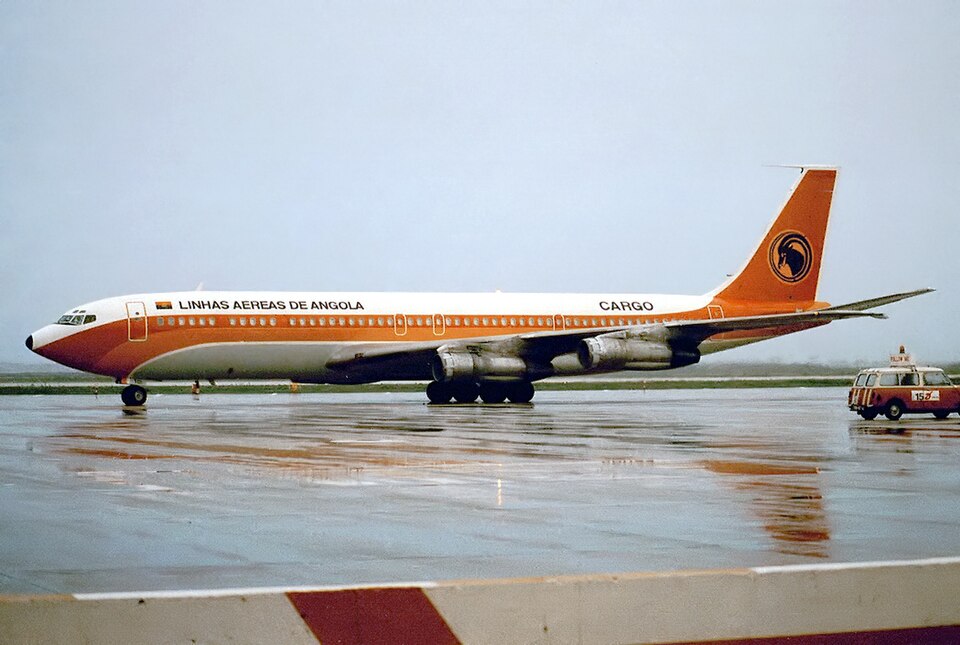
Aircraft registered D2-TOI
Aircraft registered D2-TOI. Photo: Pedro Aragão / CC BY-SA 3.0, via Wikimedia Commons

On final approach to Luanda-4 de Fevereiro Airport, an aircraft struck a radio antenna on a building, damaging hydraulic and control lines. After landing, it overran the runway, lost its nose gear, and was damaged beyond repair. All nine occupants escaped uninjured.

Approach and Collision

During final approach to Luanda-4 de Fevereiro Airport, the flight crew failed to recognize that the aircraft's altitude was too low. The aircraft subsequently struck a radio antenna located on top of a building. The collision damaged hydraulic and control lines.

Landing and Overrun

After touching down, the aircraft was unable to stop within the remaining runway distance. It overran the runway, lost its nose gear, and came to rest. The aircraft sustained damage beyond repair.

Occupants and Injuries

All nine occupants escaped uninjured.

Probable Cause

According to the official investigation, the aircraft was unable to be stopped within the available distance due to hydraulic problems sustained after the collision with the radio antenna on approach. The probable cause also cites a poor planned approach on the part of the flying crew, who continued the approach below the glide path.