Background
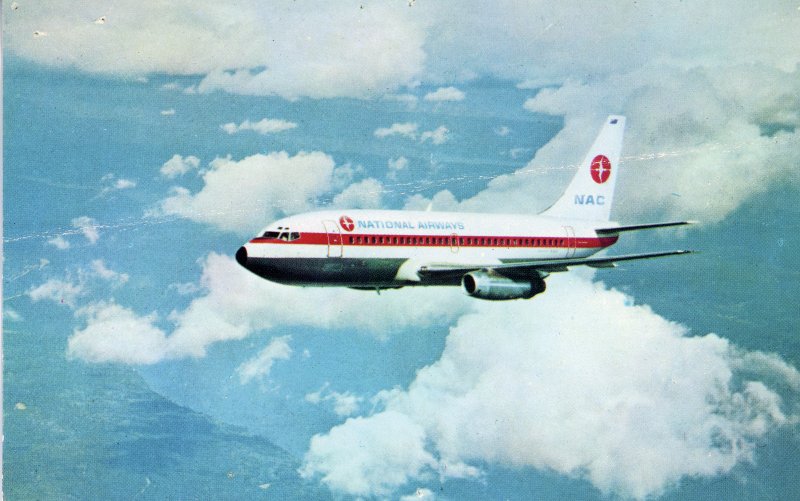
The aircraft, a Boeing 737 named "Oasis", was owned and operated by Air Algerie and had been leased by Phoenix Aviation. The flight was one of a series of live animal export flights from the UK to France and the Netherlands.
Flight Details
On December 21, at 06:42, the plane departed from Amsterdam for a flight to Coventry. Weather at Coventry worsened; upon arrival, the runway visual range (RVR) for runway 23 was 700 metres. The aircraft was unable to receive the Coventry runway 23 ILS because its dual navigation receiver system was not updated to a 40-channel ILS standard. Consequently, a Surveillance Radar Approach (SRA) was flown. The radar guidance was completed at 0.5 miles from touchdown; the commander decided to discontinue the approach and execute a go-around. The aircraft entered a holding pattern at 07:44. During holding, the RVR further reduced to 600 metres, and the flight diverted to East Midlands to wait for weather improvement. The aircraft landed at East Midlands at 08:08.
At around 09:00, weather conditions improved to 1200 metres visibility and an overcast cloud base at 600 feet. The flight departed East Midlands at 09:38 and climbed to flight level 40. Approaching Coventry, the crew received radar vectors for a runway 23 approach. After some initial confusion regarding the heading (the controller wanted a left turn to 010°, but the crew understood 100°), the turn was continued to 260°, and the SRA approach started at 12 miles from touchdown.
Accident Sequence
The aircraft descended below the Minimum Descent Height (MDH) for the approach procedure and collided with an 86-foot-high (291 feet amsl) electricity transmission tower (pylon) situated on the extended centreline of the runway, some 1.1 miles from the threshold. The collision caused major damage to the inboard high-lift devices on the left wing and the left engine. The consequent loss of lift on the left wing and thrust asymmetry caused the aircraft to roll uncontrollably to the left. When passing through a wings-vertical attitude, the left wingtip impacted the gable end of a house. The aircraft continued rolling to an inverted attitude and impacted the ground in an area of woodland close to the edge of the housing conurbation. An intense fire ensued.
Probable Cause
The official findings reported the following factors:
- The flight crew allowed the aircraft to descend significantly below the normal approach glide path during a Surveillance Radar Approach to runway 23 at Coventry Airport, in conditions of patchy lifting fog. The descent was continued below the promulgated Minimum Descent Height without the appropriate visual reference to the approach lighting or the runway threshold.
- The standard company operating procedure of cross-checking altimeter height indications during the approach was not observed, and the appropriate Minimum Descent Height was not called by the non-handling pilot.
- The performance of the flight crew was impaired by the effects of tiredness, having completed over 10 hours of flight duty through the night during five flight sectors which included a total of six approaches to land.