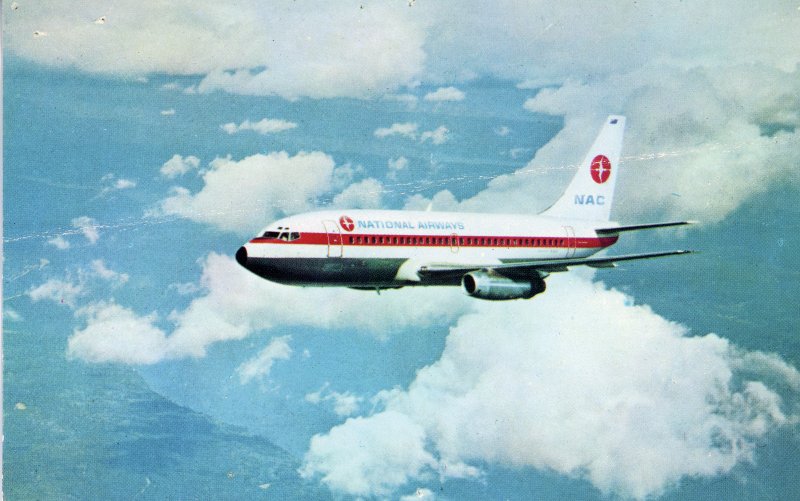
Incident Details
During the takeoff roll, as engine power was increased, the No. 1 engine accelerated beyond the target engine pressure ratio (EPR). The engine was subsequently shut down using the fuel shutoff lever. The resulting asymmetric thrust was controlled by the flight crew using nose wheel steering. However, before the aircraft could be brought to a stop, the nose wheels separated from the landing gear.
Two passengers were slightly injured during the event.
Investigation Findings
The investigation revealed that the fuel pump output spline, which connects to the fuel control unit, had stripped. This failure occurred at a critical moment, causing the fuel control to sense an underspeed condition and consequently increase fuel flow. The misalignment of the spline shaft was attributed to improper machining during a pump modification.
Additionally, the nose gear inner cylinder was found to have failed due to fatigue. The fatigue cracks originated in an area that had undergone excessive grinding during a previous overhaul.
Probable Cause
The probable cause, as stated in the official findings, was the failure of the fuel pump control shaft due to improper machining by the repair facility during a maintenance modification of the pump, combined with improper procedures during the overhaul of the nose landing gear.