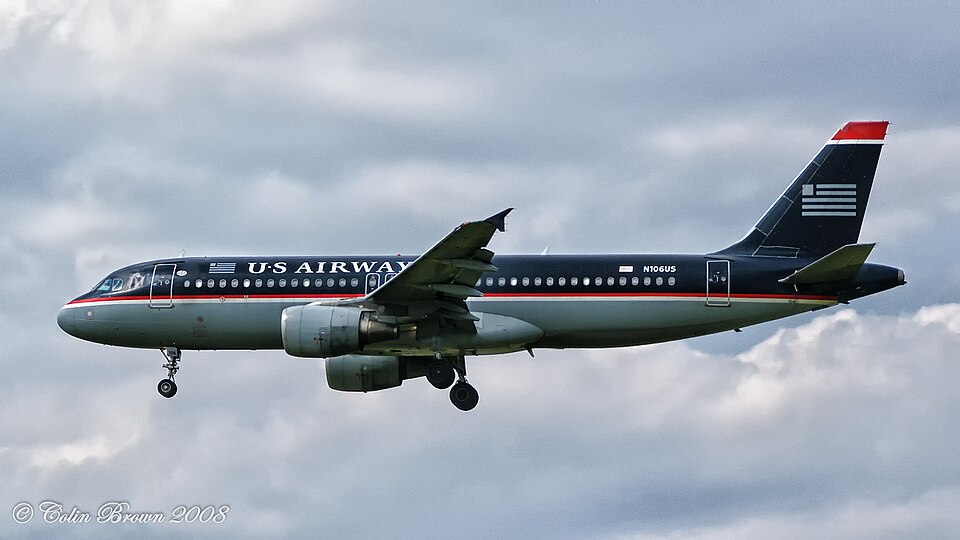
Event Summary
An aircraft encountered a flock of birds shortly after departure from La Guardia Airport (LGA) in New York City, resulting in an almost complete loss of thrust in both engines. The flight was en route to Charlotte Douglas International Airport in Charlotte, North Carolina, and had departed LGA approximately 2 minutes before the incident. The crew subsequently ditched the aircraft on the Hudson River, about 8.5 miles from LGA.
Evacuation
All 150 passengers, including one lap-held child, and 5 crew members evacuated the aircraft via the forward and overwing exits. The cabin crew performed duties to expedite the evacuation.
Injuries and Damage
One flight attendant and four passengers sustained serious injuries. The aircraft was substantially damaged.
Probable Cause and Contributing Factors
The official probable cause was the ingestion of large birds into each engine, which resulted in an almost total loss of thrust in both engines and the subsequent ditching on the Hudson River.
Contributing to the fuselage damage and resulting unavailability of the aft slide/rafts were: the Federal Aviation Administration’s approval of ditching certification without determining whether pilots could attain the ditching parameters without engine thrust; the lack of industry flight crew training and guidance on ditching techniques; and the captain’s difficulty maintaining his intended airspeed on final approach due to task saturation from the emergency.
Contributing to the survivability of the accident were: the decision-making and crew resource management of the flight crew; the fortuitous use of an airplane equipped for extended overwater flight, including forward slide/rafts, despite not being required; the cabin crew's performance during evacuation; and the proximity and immediate response of emergency responders.