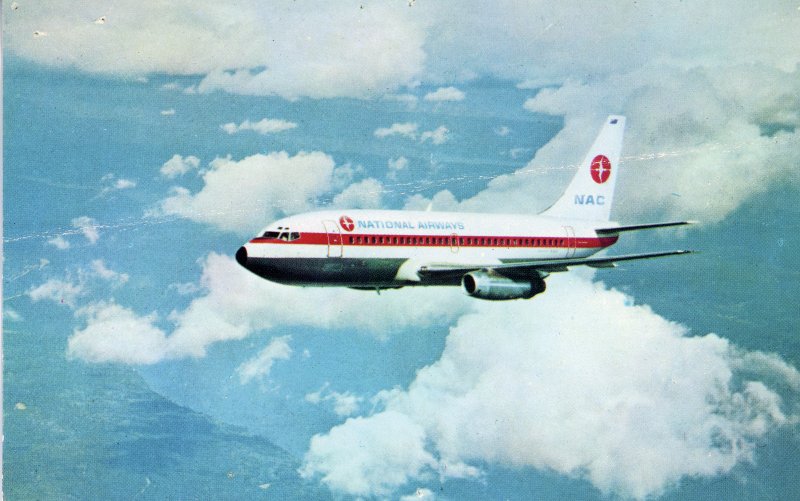
Runway overrun involving aircraft during landing

No fatalities • Lagos-Murtala Muhammed, Nigeria • Landing (descent or approach)

An aircraft failed to stop on a wet runway during landing, resulting in a runway excursion and significant damage to the airframe.

What happened

During a standard approach procedure, the aircraft type encountered a runway surface that was wet at the time of arrival. Upon touchdown, the aircraft was unable to decelerate sufficiently within the available runway length. This led to a runway overrun where the vessel traveled past the end of the paved surface.

As the excursion continued, the nose landing gear collapsed, causing the aircraft to come to a halt several dozen meters beyond the runway threshold. Despite the impact, all 135 occupants were able to evacuate the plane without injury. The structural damage sustained during the event was so severe that the aircraft was declared a total loss.

Findings

  • The primary factor in the excursion was the inability to stop on the wet runway surface within the remaining distance available.

Probable cause

The aircraft failed to decelerate sufficiently on a slippery runway, leading to an overrun and gear collapse.

All Boeing 737-800 accidents →

Frequently asked questions

What happened in the 1989-10-02 Boeing 737-200 accident near Lagos-Murtala Muhammed, Nigeria?

An aircraft failed to stop on a wet runway during landing, resulting in a runway excursion and significant damage to the airframe.

Were there any fatalities in the 1989-10-02 Boeing 737-200 accident?

No fatalities were recorded in this accident.

What aircraft was involved and where did it happen?

The accident on 1989-10-02 involved a Boeing 737-200, registration 5N-ANX, operated by Nigeria Airways, at Lagos-Murtala Muhammed, Nigeria.

What was the probable cause of the accident?

The aircraft failed to decelerate sufficiently on a slippery runway, leading to an overrun and gear collapse.

Loading the flight search…