No fatalities

2015-10-23: Boeing 737-300 (OB-2040-P) — Peruvian Airlines — Cuzco-Alejandro Velasco Astete, Peru

Cuzco-Alejandro Velasco Astete, PeruLanding (descent or approach)

On October 23, 2015, a Boeing 737-300 (registration OB-2040-P) operated by Peruvian Airlines was involved in an aviation accident near Cuzco-Alejandro Velasco Astete, Peru during landing or approach. No fatalities were reported. Investigators recorded the probable cause as: Unstable approach and inadequate landing technique for high altitude fields, which resulted in increased landing speed, the start of the flare manoeuvre at higher altitude, and low descent speed, which made the OB-2040-P aircraft make soft contact with the… This summary draws on records from the Bureau of Aircraft Accidents Archives (B3A); 11 related events involving the same aircraft type or operator are linked below.

Sourcesthe Bureau of Aircraft Accidents Archives (B3A)Primary reportUpdated 1781192712Data APIEditorial standards
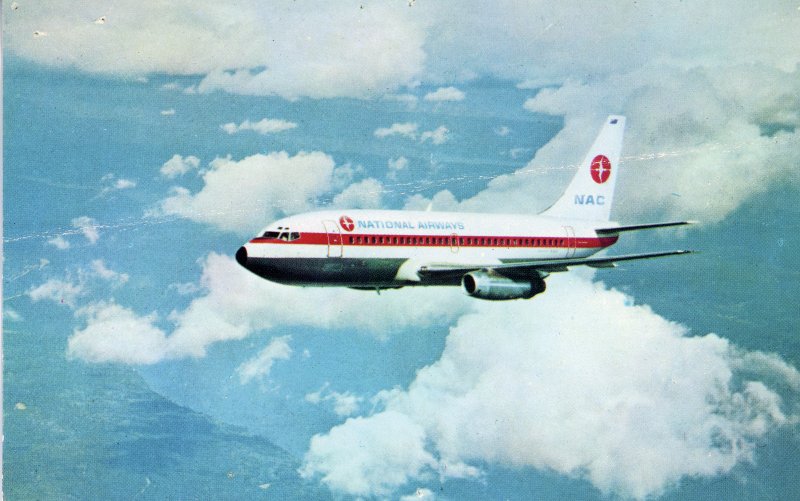
Boeing 737-300
Photo: San Diego Air & Space Museum Archives / Public domain, via Wikimedia Commons

Aircraft OB-2040-P experienced right main gear collapse after landing on Runway 28 at Cuzco-Alejandro Velasco Astete Airport. All 139 occupants evacuated safely, aircraft damaged beyond repair.

Event Description

The flight from Lima was uneventful. The crew initiated descent to Cuzco-Alejandro Velasco Astete Airport, Runway 28. The aircraft was configured for landing with flaps extended to 15 degrees. The landing was smooth. The crew began the braking procedure. Eight seconds after touchdown, vibrations from the left main gear were noticed. At a speed of 100 knots, the right main gear collapsed. The aircraft rolled for several hundred meters before coming to a halt on the runway. All 139 occupants evacuated safely. The aircraft sustained damage beyond repair.

Investigation Findings

The official investigation determined the probable cause to be an unstable approach and inadequate landing technique for high altitude fields. This resulted in increased landing speed, the start of the flare maneuver at a higher altitude, and low descent speed. The aircraft made soft contact with the runway, causing inefficiency in the operation of the shimmy damper, which did not prevent uncontrolled oscillation of the shock absorbers. Contributing factors included lack of instruction and training in simulators for high altitude landing techniques, and lack of a performance analysis process using flight recorders or other data recording equipment by the operating company.