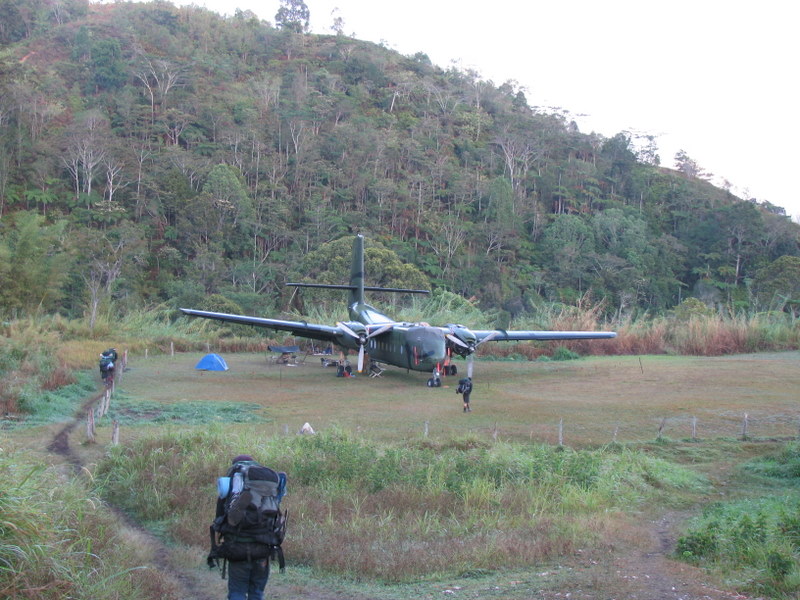
Aircraft structural failure during landing at Efogi

No fatalities • Efogi, Papua New Guinea • Landing (descent or approach)

An aircraft sustained irreparable damage following a structural failure caused by fatigue during its landing at Efogi, Papua New Guinea.

What happened

During an approach and landing at Efogi, Papua New Guinea, an aircraft experienced a significant structural failure. The incident occurred as the aircraft was in the landing phase of flight. Upon touchdown, the structural integrity of the airframe was compromised, resulting in damage that rendered the aircraft non-operational.

Following the event, the aircraft was assessed and determined to be damaged beyond repair. Due to the extent of the destruction, the airframe was subsequently dismantled at the site.

Findings

  • The primary cause of the structural failure was identified as metal fatigue.
  • There were no injuries reported among the occupants or personnel at the scene.

Probable cause

The structural failure was caused by fatigue within the aircraft's components.

Frequently asked questions

What happened in the 2008-09-05 De Havilland C-7A Caribou accident near Efogi, Papua New Guinea?

An aircraft sustained irreparable damage following a structural failure caused by fatigue during its landing at Efogi, Papua New Guinea.

Were there any fatalities in the 2008-09-05 De Havilland C-7A Caribou accident?

No fatalities were recorded in this accident.

What aircraft was involved and where did it happen?

The accident on 2008-09-05 involved a De Havilland C-7A Caribou, registration A4-285, operated by Royal Australian Air Force - RAAF, at Efogi, Papua New Guinea.

What was the probable cause of the accident?

The structural failure was caused by fatigue within the aircraft's components.

Loading the flight search…