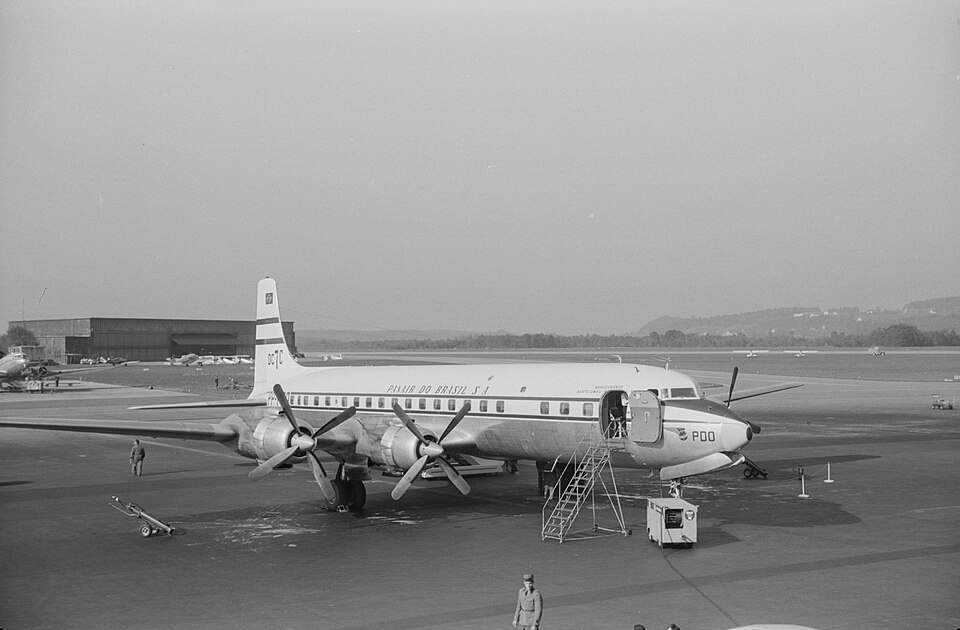
What happened
On the night of the accident, an aircraft arriving from Lisbon, Portugal, via Ilha do Sal, established contact with the Recife Control Tower at 0505Z. The flight was operating under conditions of good visibility. During the approach, air traffic controllers provided landing instructions and requested that the crew report when positioned on the wind leg. Following this procedure, the aircraft reported its position as instructed and received clearance to land, with a further instruction to notify the tower upon reaching the final approach.
Approximately thirty seconds after these communications, the aircraft struck an obstacle measuring 84 meters in height. The impact occurred to the right of the active runway centerline, at a distance of 2,720 meters from the runway threshold. The collision resulted in a post-crash fire that completely destroyed the aircraft. The accident resulted in 45 fatalities (comprising 38 passengers and 7 crew) and left 43 occupants injured.
Findings
Investigations into the crash identified several contributing factors related to flight operations and ground infrastructure. The primary cause was attributed to pilot errors, specifically an incorrect assessment of distance from the runway, the use of a non-standard traffic pattern during night operations, and a failure to maintain required altitude minimums while on final approach. Additionally, it was noted that obstructions along the approach path for runway 15 were not adequately marked for nighttime visibility.