Fuselage breakup during hard landing

No fatalities • Jakarta-Kemayoran, Indonesia • Landing (descent or approach)

An aircraft sustained a structural failure after experiencing multiple bounces during a heavy landing, resulting in the fuselage splitting into two sections.

What happened

During the landing phase of the flight, the aircraft experienced an unusually heavy touchdown. Following the initial contact with the runway, the airframe underwent three distinct bounces. During the third impact, the aircraft was subjected to a significant aerodynamic force of 5.8 g.

This intense physical stress caused the structural integrity of the fuselage to fail, resulting in the aircraft breaking into two separate pieces between sections 737 and 756. Despite the severity of the breakup, all five crew members were able to evacuate the wreckage without sustaining any injuries. The aircraft was subsequently declared a total loss.

Findings

  • The primary factor in the structural failure was the high-magnitude force of 5.8 g experienced during the third bounce of the landing sequence.

Probable cause

The fuselage fractured due to extreme aerodynamic forces generated by multiple bounces during a hard landing.

Frequently asked questions

What happened in the 1984-06-11 Douglas DC-9 accident near Jakarta-Kemayoran, Indonesia?

An aircraft sustained a structural failure after experiencing multiple bounces during a heavy landing, resulting in the fuselage splitting into two sections.

Were there any fatalities in the 1984-06-11 Douglas DC-9 accident?

No fatalities were recorded in this accident.

What aircraft was involved and where did it happen?

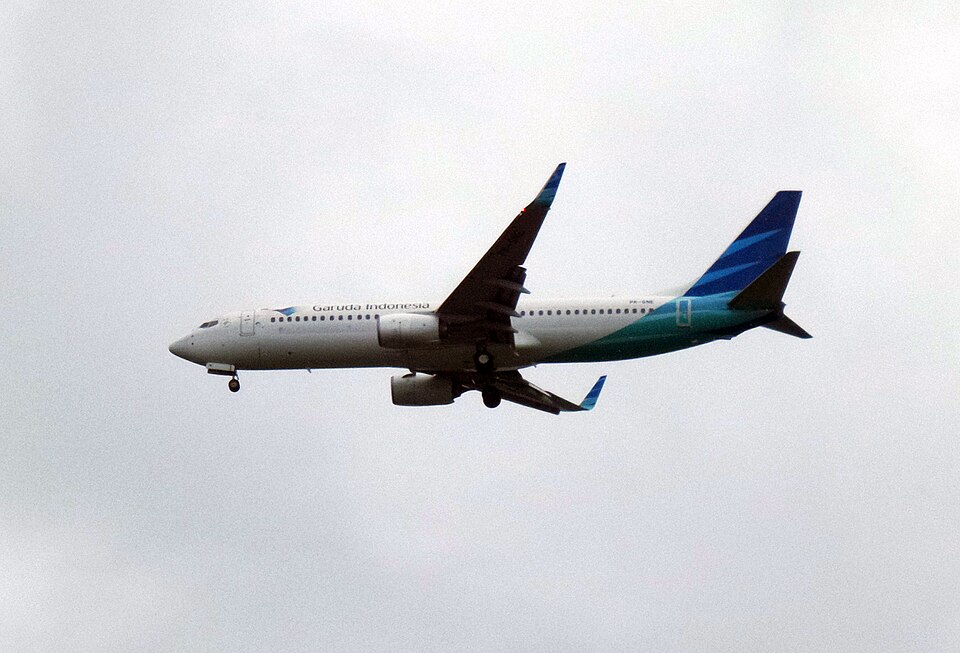
The accident on 1984-06-11 involved a Douglas DC-9, registration PK-GNE, operated by Garuda Indonesian Airways, at Jakarta-Kemayoran, Indonesia.

What was the probable cause of the accident?

The fuselage fractured due to extreme aerodynamic forces generated by multiple bounces during a hard landing.

Loading the flight search…