1 fatality

Five-engine seaplane crash near Felixstowe during test flight (N123)

Felixstowe, United KingdomTakeoff (climb)

On August 11, 1919, a Felixstowe F.4 Fury (registration N123) operated by Royal Air Force - RAF was involved in an aviation accident near Felixstowe, United Kingdom during takeoff. One person was killed. Investigators recorded the probable cause as: The aircraft likely stalled after leaving the water before reaching safe flying speed due to incorrect loading and insufficient power. This summary draws on records from the Bureau of Aircraft Accidents Archives (B3A); 8 related events involving the same aircraft type or operator are linked below.

Sourcesthe Bureau of Aircraft Accidents Archives (B3A)Primary reportUpdated 2026-08-04Data APIEditorial standards
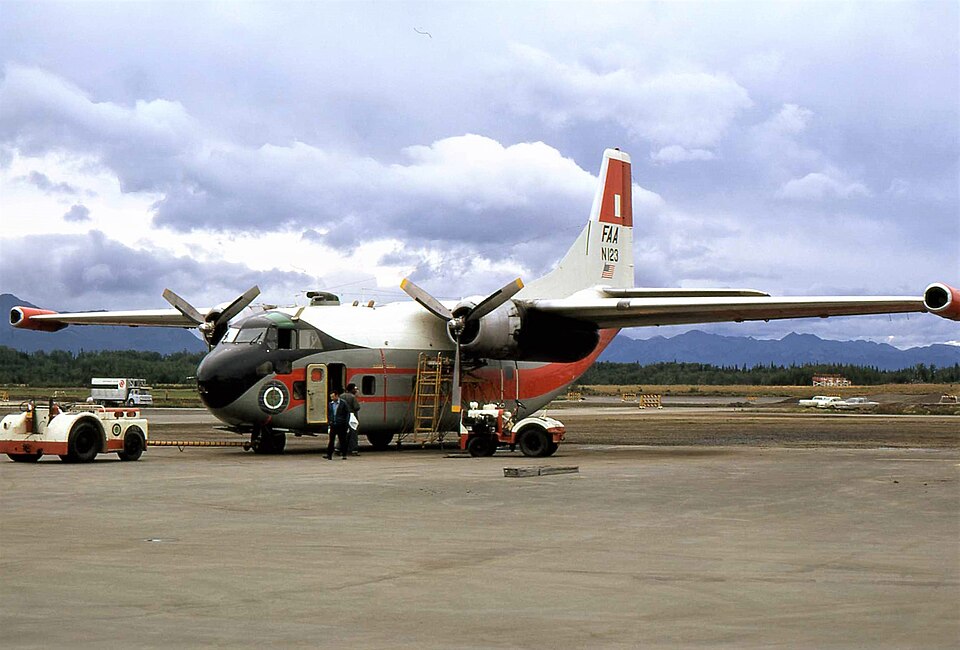
Aircraft registered N123
Aircraft registered N123. Photo: Piergiuliano Chesi / CC BY-SA 3.0, via Wikimedia Commons

A five-engine seaplane crashed into the sea shortly after takeoff from Felixstowe while climbing. Six crew members were rescued, but one mechanic was killed in the accident.

What happened

The incident involved a five-engine seaplane that had been prepared at Felixstowe for an upcoming long-distance journey to South Africa. The aircraft was scheduled to depart on August 12 with a route via Gibraltar, Malta, Alexandria, Khartoum, Victoria Nyanza, Lake Tanganyika, Lake Nyassa, and Beira. Prior to this main voyage, a local test flight was conducted from Felixstowe with seven crew members on board.

Shortly after takeoff, while the aircraft was climbing at a speed of 145 km/h, it stalled and crashed into the sea approximately 500 metres offshore. Emergency services rescued six of the seven individuals on board. One person was killed in the crash. The crew included two pilots, a chief engineer, a wireless operator, an office manager, and two mechanics.

Findings

Investigations indicated that the aircraft may have been loaded incorrectly. It is believed that the pilot left the water surface before reaching the safe flying speed. With insufficient power available to recover from this situation, the aircraft stalled and crashed.

Probable cause

The aircraft likely stalled after leaving the water before reaching safe flying speed due to incorrect loading and insufficient power.