Factual Information
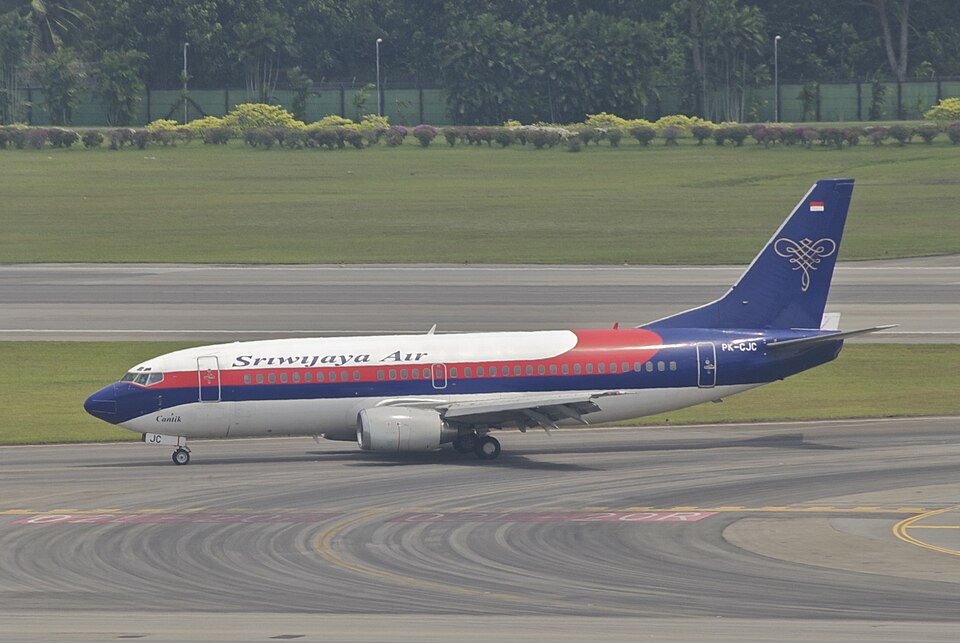
On 18 April 2008, at 1115 UTC, a Boeing 737-300 aircraft, registered PK-CJC, operated by PT. Sriwijaya Air, was on a scheduled flight from Jakarta to Pangkal Pinang. During the landing at Pangkal Pinang, the aircraft overran the end of the runway. It stopped 50 meters beyond the runway end, but within the stopway.
Occupants and Injuries
There were 150 people on board: two pilots, four flight attendants, and 144 passengers. The occupants were not injured and disembarked normally using air stairs one hour after the aircraft stopped. Airport fire and rescue personnel arrived approximately 10 minutes after the aircraft stopped. During that time, the flight crew were not aware of the extent of the damage to the aircraft or whether a fire had started.
Flight History
The pilot in command (PIC) became distracted by a cabin issue during the approach and did not appropriately monitor the aircraft’s approach profile. The investigation found that the aircraft was high and fast on the approach, but the PIC allowed the copilot to continue the approach and landing. The approach was un-stabilized, and the flight crew’s compliance with procedures, including crew resource management, was not at a level to ensure the safe operation of the aircraft.
Damage to Aircraft
Substantial damage was sustained. The number-three main wheel tire was substantially damaged, and tire number two was also damaged. Engine fan blades were damaged, and the number-two engine air intake screen was damaged.
Cause
The National Transportation Safety Committee determined that the cause was the PIC becoming distracted by a cabin issue during the approach and not appropriately monitoring the approach profile, combined with the flight crew’s insufficient compliance with procedures and crew resource management.