4 fatalities

1988-05-24: Learjet 35 (N500RW) — United Executive Jet — Teterboro, United States of America

Teterboro, United States of AmericaTakeoff (climb)

On May 24, 1988, a Learjet 35 (registration N500RW) operated by United Executive Jet was involved in an aviation accident near Teterboro, United States of America during takeoff. 4 people were killed. Investigators recorded the probable cause as: In-flight collision with terrain/water during maneuvering due to dark night, poor judgment, misjudged altitude, lack of total experience in type operation by pilot in command and copilot, and operation with known deficiencies in equipment attempted by company… This summary draws on records from the Bureau of Aircraft Accidents Archives (B3A); 6 related events involving the same aircraft type or operator are linked below.

Sourcesthe Bureau of Aircraft Accidents Archives (B3A)Primary reportUpdated 1781215244Data APIEditorial standards
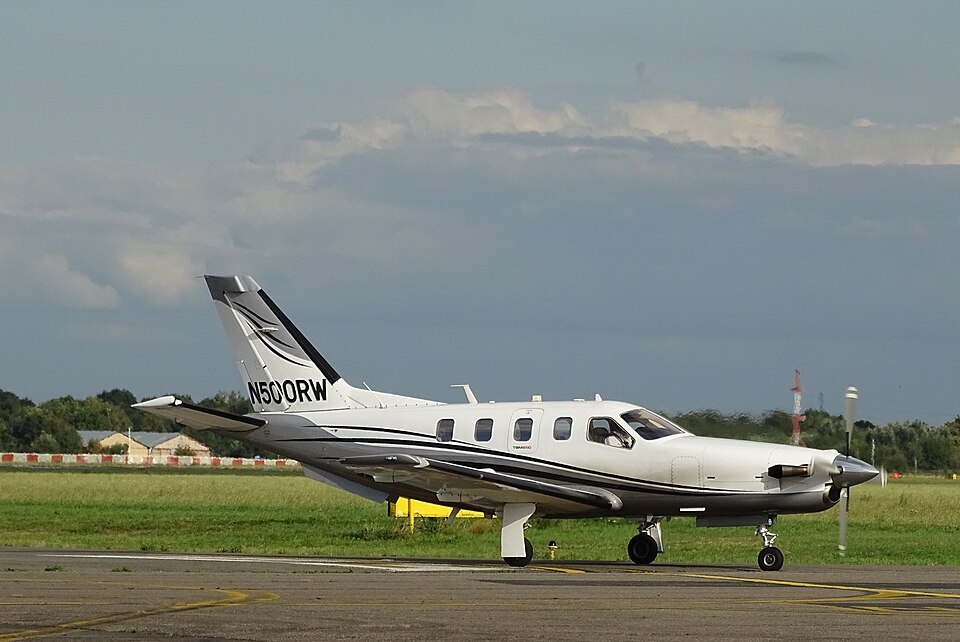
Aircraft registered N500RW
Aircraft registered N500RW. Photo: Ad Meskens You are free to use this picture for any purpose as long as you credit its author, Ad Meskens . Example: © Ad Meskens / Wikimedia Commons If you use this work outside of the Wikimedia projects, a message or a copy is very much appreciated. This image is not in the public domain. A statement such as "From Wikimedia Commons" or similar is not by itself sufficient. If you do not provide clear attribution to the author you do not comply with the terms of the file's license and you may not use this file. If you are unable or unwilling to provide attribution you should contact Ad Meskens to negotiate a different license. / CC BY-SA 4.0, via Wikimedia Commons

Aircraft impacted terrain in a nose-down attitude after normal takeoff and cruise. All four occupants, including two unauthorized passengers, were killed. The copilot was new to jet operations, and the aircraft had unresolved discrepancies.

Accident Sequence

Witnesses reported a normal takeoff. Radar data indicated the aircraft turned right as cleared and began cruising at 1,900 feet, heading northwest at 235 knots. Approximately 65 seconds after the crew reported clear of the control zone, the radar track ended. The aircraft was fragmented by the impact, with all flight control surfaces and aircraft extremities found at the impact site. The pitch trim was in the normal cruise setting, and the landing gear, flaps, and spoilers were retracted. Examination of the engines indicated they were operating at impact. The aircraft struck the terrain in approximately 80° nose-down, wings-level attitude, with a heading opposite to the previous direction of flight.

Simulation and Reenactment

In-flight simulator tests were conducted. Starting from level flight at 1,900 feet, the aircraft was rolled inverted and the pitch control moved aft. This maneuver produced an attitude similar to that observed at the impact point.

Occupants and Crew

The aircraft carried four occupants, all of whom were killed. There were two unauthorized passengers on board, one of whom was the copilot's wife. The copilot was new to jet operations. The impact point was in a very small region of uncontrolled airspace very near the copilot's home and relatives' homes. The aircraft departed with several discrepancies uncleared.

Probable Cause

The official probable cause is in-flight collision with terrain/water during the maneuvering phase. Findings include: dark night light condition; a maneuver attempted by the pilot in command; poor judgment; misjudged altitude; lack of total experience in type operation by both the pilot in command and the copilot; and operation with known deficiencies in equipment attempted by company maintenance personnel.