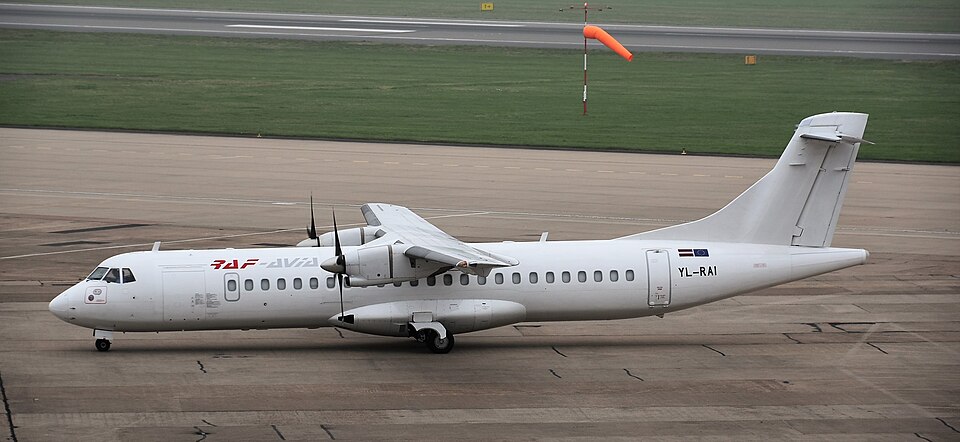
Incident Summary
On 9 October 2018, an ATR-72-202 aircraft operated by Latvian airline RAF-AVIA was landing at Trollhättan/Vänersborg airport. The aircraft had two pilots and one technician on board. During the landing with a left crosswind, the aircraft departed the left side of the runway, damaged a runway edge light, and then rolled back onto the runway.
Crew Actions and Discovery
The crew did not report the runway excursion. Airport personnel discovered the damaged edge light and tire tracks, which they determined could only have been left by the involved aircraft. The incident was then reported to the Swedish Transport Agency and the operator.
Investigation Findings
The Swedish Accident Investigation Authority (SHK) assessed that the incident was caused by two factors: the operator and pilots had not read ATR's flight operations information message (FOIM) regarding recommended crosswind landing procedures, and the operator's pilots lacked full training in crosswind landings on the ATR-72 model.
Subsequent Measures
Following the incident, the Latvian civil aviation agency conducted an inspection of the operator and issued recommendations regarding reporting culture, risk assessments, and training initiatives. The type certificate holder for the aircraft introduced supplementary information on crosswind landings in the aircraft's flight crew operating manual (FCOM). The operator also implemented training measures to improve safety during crosswind landings on the aircraft type. The SHK decided not to issue any safety recommendations, considering the measures already taken and planned.