Synopsis
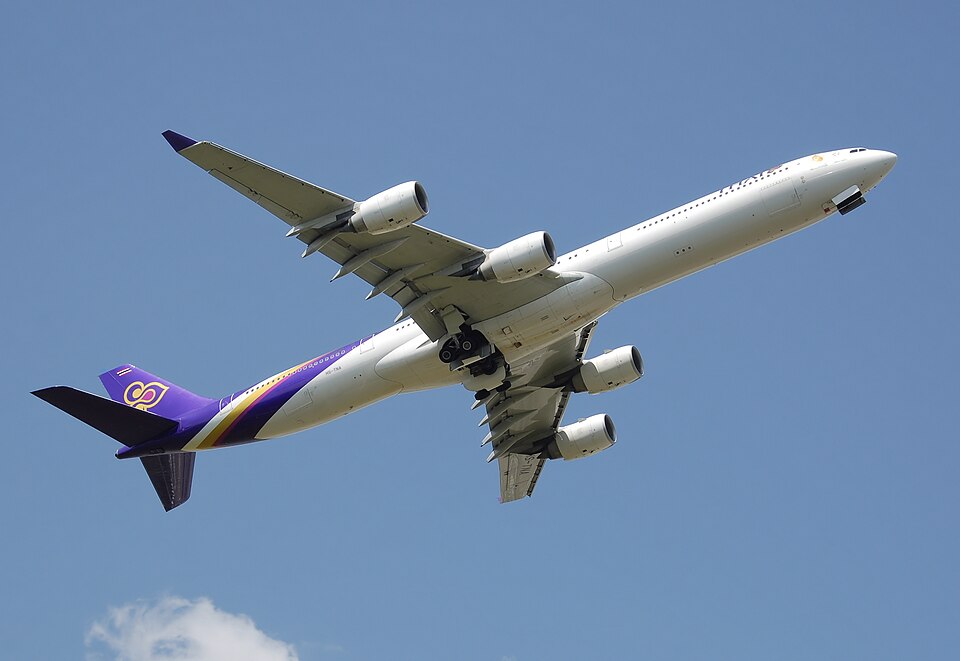
On 18 June 2010, at Zurich airport, a serious incident (airprox) occurred between two commercial aircraft: an Airbus A340-600, registration HS-TNA, operated by Thai Airways International Ltd. as flight THA971, and an Avions de Transport Régional ATR42, registration G-DRFC, operated by Blue Islands Ltd. as flight BCI937.
History of the Serious Incident
The pre‑flight history and the sequence of events leading to the incident are described in the investigation report. According to the factual information, the aerodrome controller cleared the ATR42 (BCI937) onto runway 14 while the Airbus A340-600 (THA971) had been cleared to take off on runway 16. This conflicting clearance resulted in a loss of separation between the two aircraft.
Aircraft Information
THA971 was an Airbus A340-600, registration HS-TNA, operated by Thai Airways International Ltd. BCI937 was an Avions de Transport Régional ATR42, registration G-DRFC, operated by Blue Islands Ltd. Both aircraft were conducting scheduled flights under IFR. The departure point for THA971 was Zurich (LSZH).
Crew Information
The crew of THA971 consisted of a commander and a copilot. The commander had accumulated flying experience as detailed in the report; the copilot also had recorded flying experience and duty times. The crew of BCI937 similarly comprised a commander and a copilot, each with their own flying experience and duty times. Air traffic control personnel included an aerodrome controller (ADC) and a ground controller (GRO).
Meteorological Information
The general meteorological situation and the weather at the time of the serious incident were recorded. Aerodrome meteorological reports (METAR) and forecasts were available. Specific astronomical information was also noted.
Radiocommunications
Radiocommunications on the tower frequency were examined. The report describes both the normal radio operation system and the emergency radio system at Zurich airport.
Aerodrome Information
Zurich airport (LSZH) was the location. The report notes that construction work was ongoing at the aerodrome at the time.
Flight Recorders and Conflict Alert System
Flight recorders from both aircraft were analysed. The airport was equipped with a RIMCAS (Runway Incursion Monitoring and Conflict Alert System) conflict alert system, which provided recordings during the take‑off roll.
Analysis
The investigation analysed technical aspects, including radio communications and the RIMCAS system, as well as human and operational aspects involving air traffic control and the crews.
Conclusions
Findings were made in several categories: technical aspects, crews, air traffic control personnel, history of the serious incident, and general conditions.
Causes
The serious incident is attributable to the fact that the aerodrome controller cleared the ATR42 (BCI937) onto runway 14 while the Airbus A340-600 (THA971) was cleared to take off on runway 16.
Safety Recommendations
One safety recommendation (No.439) was issued, addressing a safety deficit identified during the investigation. Measures were taken since the incident by relevant parties.
*Note: This article is based solely on the official report by the Aircraft Accident Investigation Bureau (AAIB) of Switzerland.*