What happened
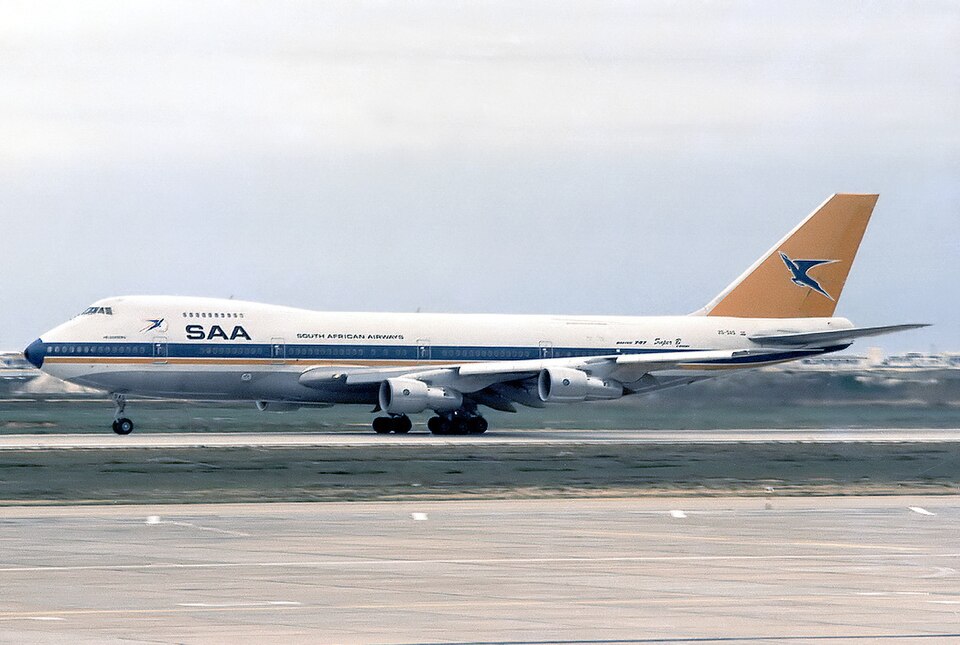
On November 27, 1987, South African Airways Flight SA 295 departed Taipei’s Chiang Kai Shek Airport bound for Plaisance Airport in Mauritius. The aircraft, a Boeing 747-244B Combi registered as ZS-SAS, carried 140 passengers and 19 crew members. Approximately nine hours into the flight, while over the Indian Ocean, the flight deck alerted air traffic control to a smoke problem and initiated an emergency descent. The final radio transmission occurred at 00:04 UTC on November 28. Roughly three minutes later, at 00:07, the aircraft impacted the ocean surface. No survivors were recovered from the wreckage, which sank to depths of approximately 4,500 meters.
The investigation
The Republic of South Africa led the inquiry, supported by accredited representatives from the United States (NTSB and FAA), the United Kingdom, Japan, Mauritius, and the Republic of China. A critical component of the investigation was Operation Resolve, a complex underwater search and recovery mission conducted at extreme depths. This operation recovered the cockpit voice recorder and significant portions of the airframe wreckage. Metallurgical and chemical analysis of the debris, combined with flight data reconstruction, allowed investigators to trace the sequence of events leading to the crash.
Findings
The inquiry determined that a fire originated in the right-hand front pallet within the main deck cargo hold. The fire rapidly escalated beyond control, generating intense heat and toxic smoke. Analysis confirmed that the fire breached the lower aft fuselage structure, compromising the aircraft's integrity. The catastrophic failure of the airframe led to the loss of control and subsequent impact with the ocean. The report highlighted significant deficiencies in the fire detection and suppression systems for Class B cargo compartments on the Boeing 747 Combi configuration at that time.
Safety action
The investigation resulted in substantial regulatory changes. The NTSB issued safety recommendations addressing the inadequacies of fire detection and suppression in Class B cargo compartments. In response, the FAA issued Airworthiness Directive 89-18-12 R1, which mandated improved illumination, smoke detection, and fire extinguishing capabilities for main deck cargo areas. The inquiry also recommended that the Combi configuration, which places passengers and cargo on the same deck with limited crew access to the cargo area for firefighting, be prohibited due to the unacceptable risk it posed to life and property.