Feature examines design features behind P-51 Mustang's high-altitude performance
An aviation feature outlines the engineering choices that made the North American P-51 Mustang an effective high-altitude fighter during World War II.
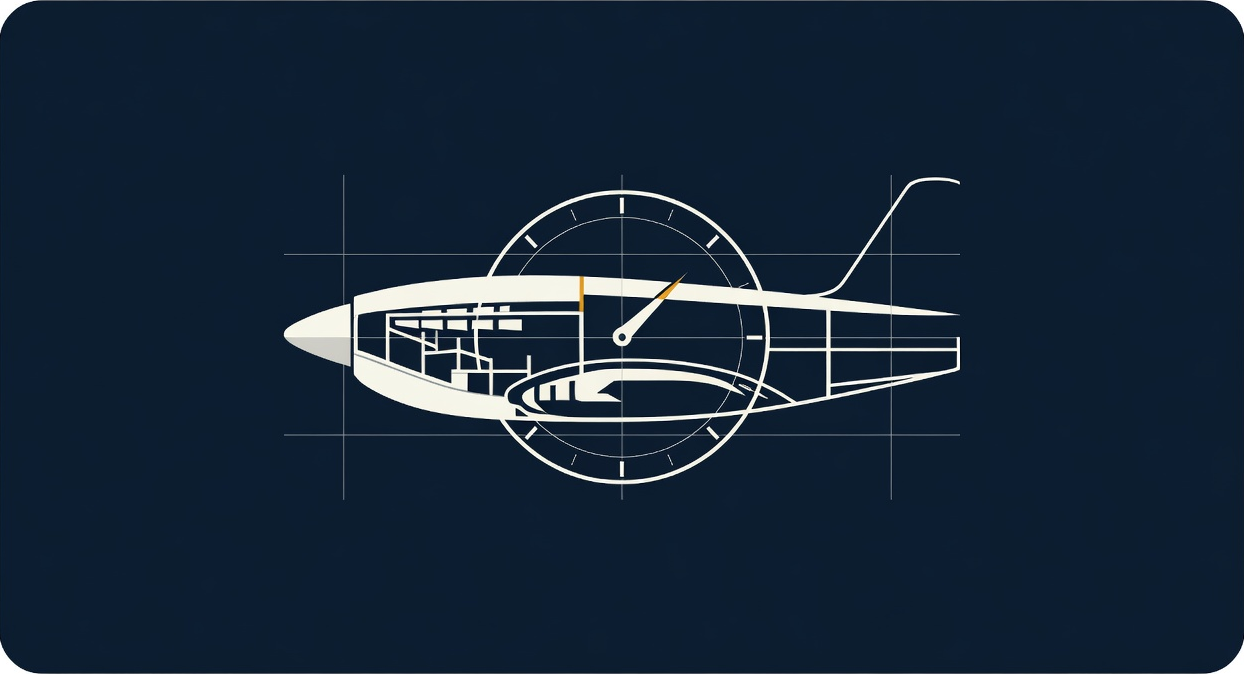
A retrospective feature looks back at the North American P-51 Mustang, calling it one of the most historically significant military aircraft ever built. Early versions, the piece notes, struggled at altitude. That changed once North American Aviation began working with Rolls-Royce.
The article says that partnership led to a re-engined variant with far better high-altitude performance, a change it describes as decisive in the aircraft's later wartime role. Several specific design elements get credit for the gains, and the piece frames the Mustang's evolution as a turning point in wartime fighter design.
The material is presented as history, not news. There's no new event, incident, or announcement here. It's an explanatory piece, aimed at showing why the Mustang is still remembered as an effective high-altitude fighter. It traces the aircraft from a design with limited performance at height to one regarded, once fitted with the improved engine, as among the most capable fighters of its era. The focus throughout stays on engineering choices made decades ago, not on anything current.
Sources
- simpleflying.com5 Design Choices That Made The P-51 Mustang Such A Powerful High-Altitude Fighter