How pilot pay increases feed through into airfares
An analysis of recent multi-year pilot pay deals at major US carriers examines how the added labor costs are passed on to passengers through ticket prices.
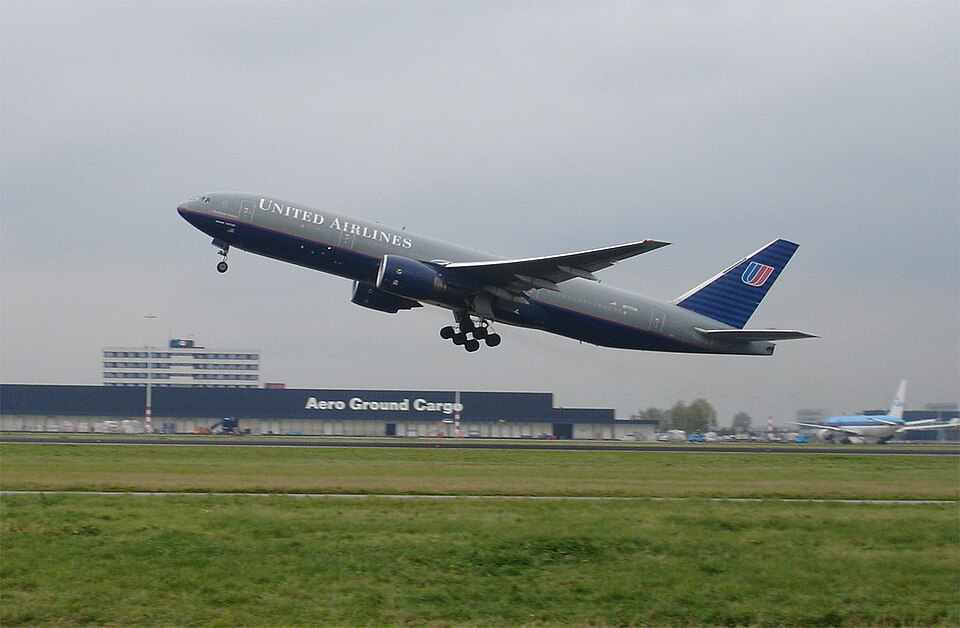
Major US airlines agreed to substantial pilot pay increases in recent years, with Delta Air Lines, United Airlines and American Airlines together committing to raises worth tens of billions of dollars starting in 2023, according to the analysis.
The deals, negotiated in part with the Air Line Pilots Association, were structured to bring pay scales at the three carriers closer into alignment. Because the agreements span multiple years, the airlines are still absorbing incremental wage increases tied to those contracts.
The piece explores how such labor costs eventually reach consumers. Pilot salaries make up a significant share of an airline's operating expenses, and when those expenses rise sharply, carriers often look to recoup at least part of the difference through fares, according to the analysis. The relationship is not always direct or immediate, since ticket prices are also shaped by fuel costs, competition, demand and route economics.
The article does not attribute any specific fare increase to the pilot deals, nor does it quantify how much of a typical ticket price reflects labor costs versus other factors. It instead frames the pay raises as one of several inputs that airlines weigh when setting prices across their networks.
No specific incident, aircraft, or route is central to the discussion. The focus stays on the broader economics of airline labor agreements and their downstream effects on the traveling public, using the 2023 pilot contracts at the three major US carriers as the primary example.
Sources
- simpleflying.comWho Really Pays For Pilot Raises? How Labor Costs Reach Ticket Prices