History of the Flight
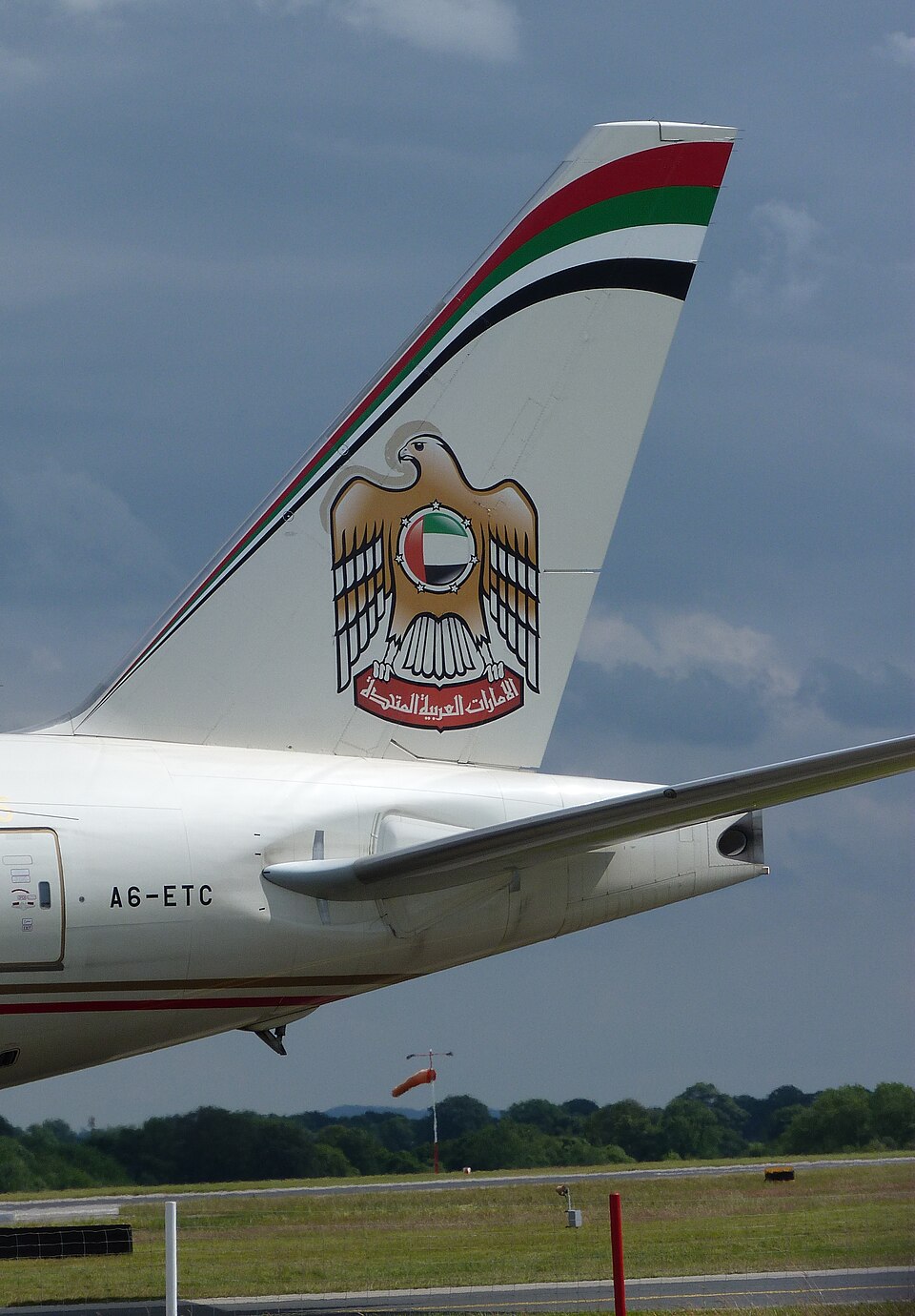
On 18 October 2011, a Boeing 777-300, registration A6-ETC, was operating a scheduled passenger flight from Manila, Philippines, to Abu Dhabi, United Arab Emirates. At 21:00 UTC, approximately 194 nautical miles south-southwest of Yangon, Myanmar, while at flight level 340 over the Bay of Bengal, the aircraft encountered a region of severe turbulence. The flight had just passed waypoint RINDA, transiting from the Yangon Flight Information Region (FIR) to the Kolkata FIR.
The flight crew consisted of a captain and two first officers, along with 12 cabin crew members. At the time of the event, the captain had left the flight deck for a comfort break. The first officer (F/O) was the pilot flying (PF), and the second F/O was seated on the jump seat, assisting with ATC communications. The crew reported that the enroute weather was CAVOK prior to the event, but observed an isolated cumulonimbus (Cb) buildup directly on the flight path, approximately 20 nautical miles ahead. During the captain's absence, the crew experienced confusing and contradictory information on the Yangon frequency during the handover to Kolkata FIR, compounded by a CPDLC uplink delay.
The crew altered the track to 315°, laterally offset to the right of the airway to avoid the Cb. As the aircraft passed abeam the cell, approximately 7 nautical miles laterally offset, it encountered severe turbulence for about 45 seconds. During the turbulence, the autopilot disconnected, the aircraft climbed approximately 600 feet, and the stick shaker activated. After the event, the autopilot was re-engaged, and the crew used the Mode Control Panel to recover to the assigned flight level. The captain was not on the flight deck; he was seated in a vacant business class seat during the turbulence and returned to the flight deck afterward.
Injuries
According to the investigation, the turbulence resulted in injuries: one cabin crew member and one passenger sustained serious injuries, while seven crew members and five passengers reported minor or no injuries. Most injured passengers were seated with seat restraints fastened; the seriously injured passenger was in the amenities/lavatory at the time. Injured cabin crew included those in bunks on rest or in galleys performing duties; all required post-flight medical supervision.
Aircraft Damage
The aircraft sustained no external damage. However, internal cabin damage occurred: Passenger Service Units (PSUs) were damaged, and one passenger oxygen generator activated due to the dropping of overhead masks. Several passengers contacted the overhead panels during the turbulence, causing injury and damage to tertiary structure cabin panels.
Probable Cause
Not stated in the source.