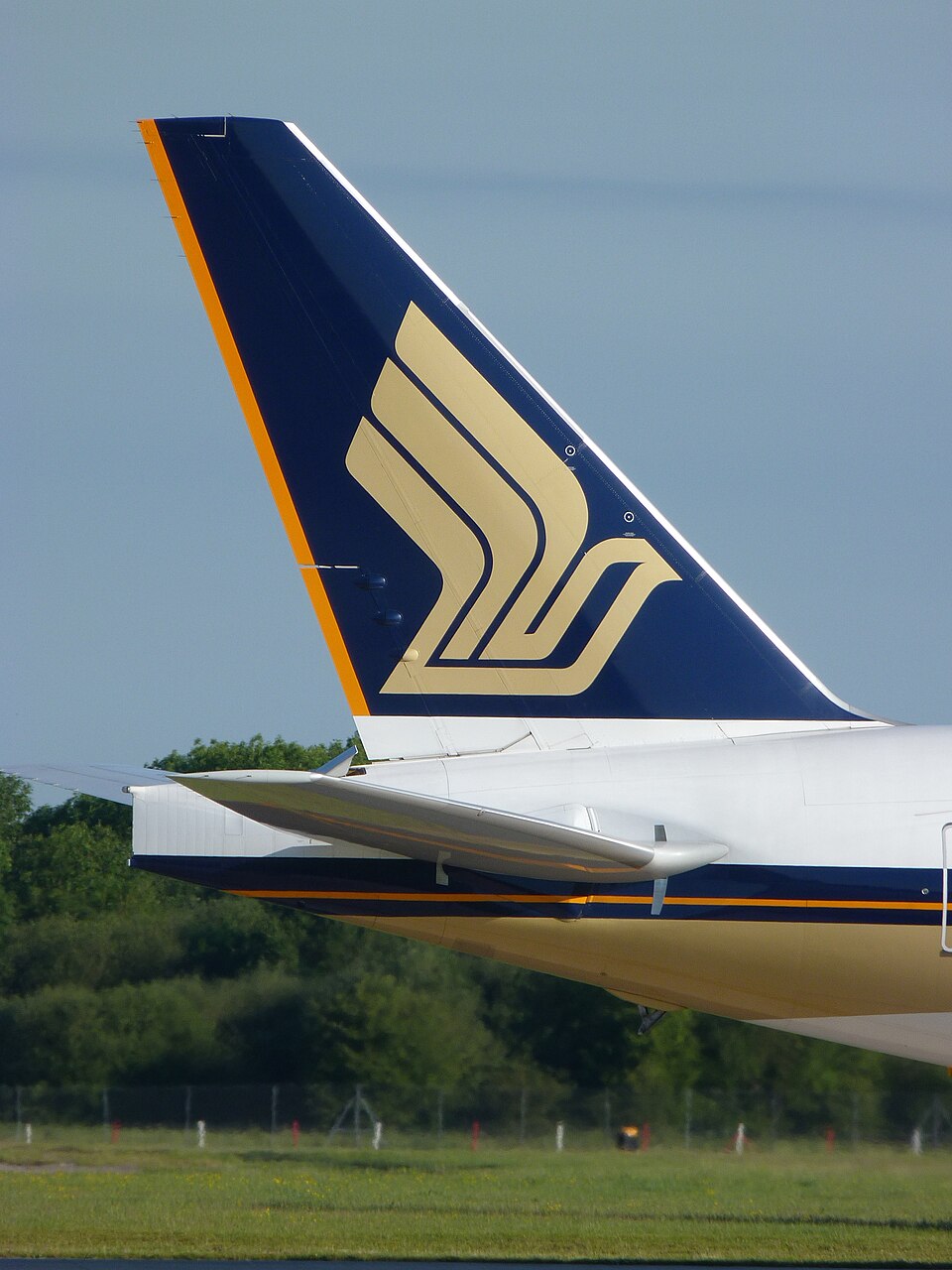
Severe Turbulence Over Myanmar Results in Multiple Injuries on Singapore Airlines Flight

Casualties unknown • SG

A Boeing 777-300ER flying from London to Singapore encountered severe turbulence over Southwest Myanmar, resulting in one fatality and dozens of injuries.

What happened

On 21 May 2024, a Singapore Airlines Boeing 777-300ER, registration 9V-SWM, was cruising at 37,000 feet over Southwest Myanmar when it encountered sudden, severe turbulence. The flight, which had departed from London Heathrow the previous day, was traveling toward Singapore under Instrument Flight Rules.

Prior to the event, the flight crew had observed no weather concerns on their navigation displays, and visual inspections from the cockpit suggested the flight path was clear of significant cloud formations. However, at approximately 0-7:49 UTC, the aircraft experienced intense vertical accelerations, with forces fluctuating between +0.44G and +1.57G, followed by a massive shift in force from -1.5G to +1.5G within just four seconds. This sudden turbulence caused the aircraft to deviate from its assigned altitude and triggered a momentary stall warning.

The crew managed to stabilize the aircraft manually before reengaging the autopilot. Following the event, the aircraft diverted to Suvarnabhumi Airport in Bangkok, Thailand. The turbulence resulted in 56 persons being seriously injured and 23 others suffering minor injuries. Tragically, one passenger passed away due to heart failure and lung edema.

The investigation

The investigation, conducted by the TSIB, focused on why the weather radar (WXR) failed to detect the convective activity that led to the turbulence. Investigators examined the aircraft's WXR systems, including the Left and Right radar processors and the antenna drive units.

Technical examinations included:

  • A review of the flight recorder data to establish the precise magnitude of the vertical accelerations.
  • Inspection of the radar's control panel and gain settings used during the flight.
  • Laboratory testing of the radar components at the Original Equipment Manufacturer (OEM) facility, including high-resolution microscopic inspection of diodes and testing of the antenna drive unit.
  • Flight tests using a separate aircraft to compare the performance of the left and right radar systems.

Findings

Investigators established that the primary factor in the crew's inability to avoid the turbulence was the under-painting of weather returns on the right-hand navigation display. While the flight crew had set the radar gain to maximum, the system failed to display the approaching convective weather.

Key findings included:

  • The right-hand weather radar system was not providing an accurate representation of the environmental conditions.
  • Flight tests revealed that when the gain knob was set to the calibrated position, the right-hand display showed significantly less weather information compared to the left-hand display.
  • While some wear and debris were found on the radar's internal ribbon cables, these were determined not to be the cause of the specific failure during this flight.
  • The crew's visual observation of the flight path as clear was consistent with the lack of radar returns on their displays.

Probable cause

The severe turbulence was encountered because the aircraft's right-hand weather radar system failed to accurately display approaching convective weather, leading the crew to believe the flight path was clear.

Frequently asked questions

What happened in the 2024-05-21 Hexadrone Tundra 2 (Urban) - Unmanned Aircraft accident near SG?

A Boeing 777-300ER flying from London to Singapore encountered severe turbulence over Southwest Myanmar, resulting in one fatality and dozens of injuries.

What aircraft was involved and where did it happen?

The accident on 2024-05-21 involved a Hexadrone Tundra 2 (Urban) - Unmanned Aircraft, registration 9V-SWM, at SG.

What was the probable cause of the accident?

The severe turbulence was encountered because the aircraft's right-hand weather radar system failed to accurately display approaching convective weather, leading the crew to believe the flight path was clear.

Loading the flight search…

What you can do on Flight Finder

  • Search flights between any two airports with live fares.
  • By aircraft — pick a plane model (e.g. Boeing 787, Airbus A350) and see every route it flies from your origin.
  • Route map — click any airport worldwide to explore its destinations, or draw a radius to find nearby airports.
  • Global aviation safety — aviation accident database, 40,000+ records since 1980, with map and rankings by aircraft and operator.
  • NTSB safety feed — recent U.S. aviation accidents and incidents from the official NTSB CAROL database, updated daily.