Incident
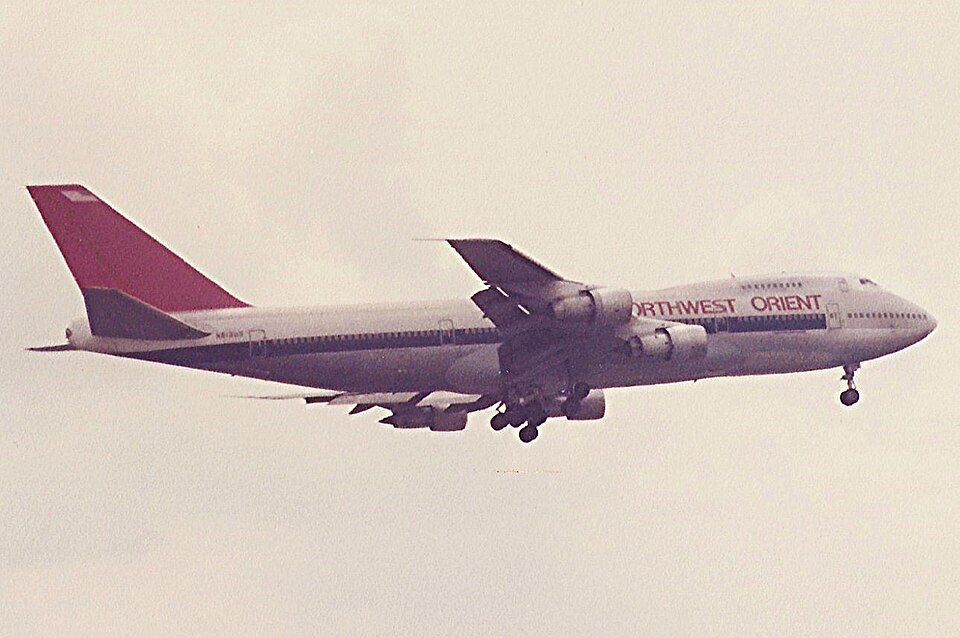
During climbout, passing through 4000 feet MSL, the aircraft experienced a failure of the #2 engine. The crew reported hearing an explosive sound followed by a drop in fuel flow, with N1 speed decreasing to 30% RPM on the #2 engine. The aircraft returned to Seattle for an uneventful landing.
Investigation
The engine exhaust tail cone and numerous turbine blades were located in a rural area approximately 11 miles south of the airport. Investigation revealed that the turbine stator support structure had been weakened by sulfidation, a result of exhaust gases escaping through an inspection port.
Findings
Failure of the inspection port allowed contact with the turbine blades, leading to blade escape and subsequent imbalance. The sulfidation of the support structure was identified as the underlying cause of the port failure.