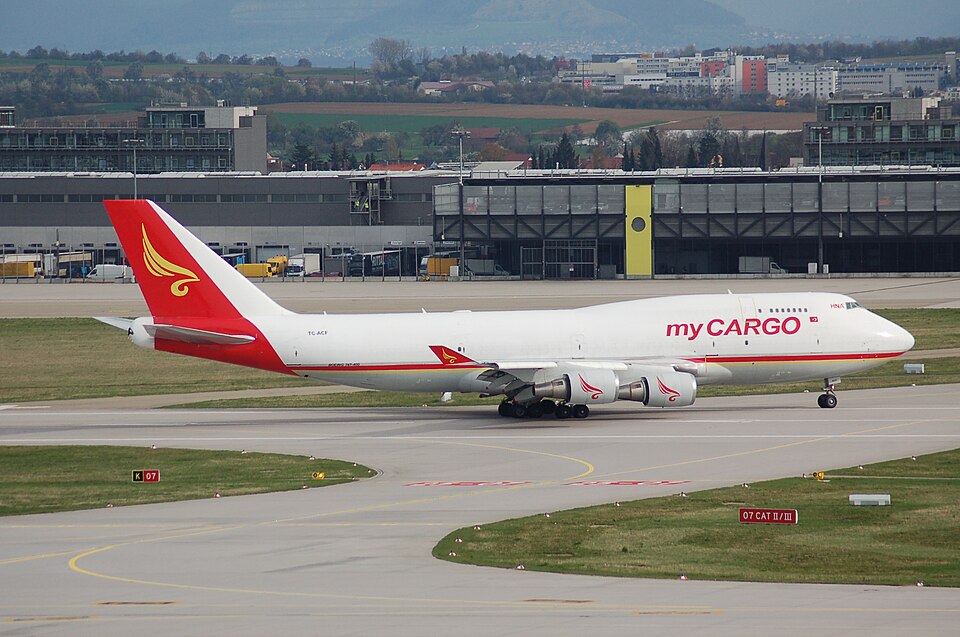
Accident Overview
On a cargo service from Dubai-Al Maktoum International Airport to Hong Kong-Chek Lap Kok Airport, an airplane operating as Emirates Sky Cargo flight EK9788 with four crew members on board experienced a runway excursion after landing.
Sequence of Events
After landing on runway 07L, the crew initiated the braking procedure. While decelerating to approximately 100 knots, the airplane veered left off the runway. It struck a ground service vehicle located on the perimeter road, then went through the perimeter fence and plunged into the sea at a speed of 60 knots. The aircraft came to rest broken in two.
Occupants and Fatalities
All four crew members were rescued. Both employees in the ground vehicle were killed.
Preliminary Engine Data
Preliminary data indicate that engine number 4 was still accelerating to 106% N1 forward thrust after all selected thrust reversers were stowed. The thrust levers for engines 1, 2, and 3 were closed with reverse thrust levers selected to maximum, while the number 4 engine reverse thrust lever was fully forward.