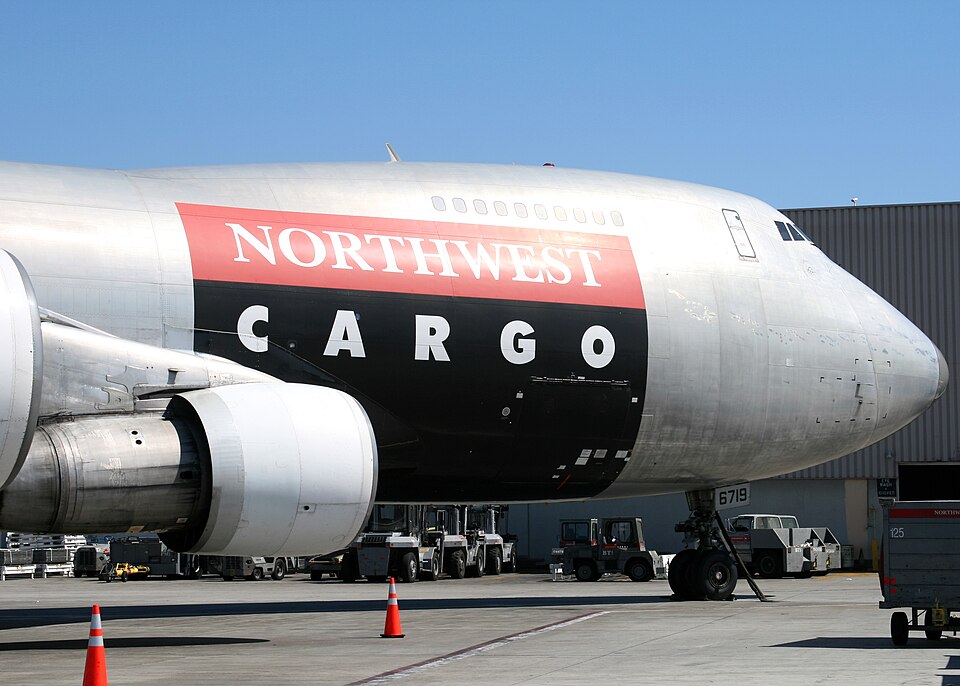
Engine Cowling Separation During Climb Due to Internal Fire

Casualties unknown • Glen Ellyn, IL, US

During climb, a loud bang and shudder prompted an engine shutdown after oil pressure dropped. Postflight inspection revealed the outboard cowling had separated, later found ten miles away.

What happened

While the aircraft was in the climb phase of flight, the crew heard a loud bang followed by a noticeable shudder throughout the airframe. The pilots observed that the oil pressure and oil quantity indicators for the number three engine dropped to low levels. Simultaneously, the fire warning light illuminated and the associated bell activated within the cockpit. In response to these indications, the crew shut down the affected engine and proceeded to land the aircraft without any further complications or incidents.

The investigation

A postflight examination of the airframe revealed that the outboard cowling for the number three engine had completely separated from its mounting points. Search efforts located the detached cowling in a suburban area approximately ten miles southwest of the departure airport. A detailed teardown and inspection of the number three engine uncovered the root mechanical failure: a crack was identified in a vent line strut located within the diffuser area.

This structural defect allowed hot bleed air to escape into the bearing area, where it ignited accumulated oil. The resulting pressure from the fire forced the flames to vent through the compartment breather air tube. This high-pressure venting disintegrated the main bearing breather tuge elbow. The subsequent force of the explosion at this disintegrating elbow was sufficient to blow the outboard cowling off the engine nacelle.

Findings

The investigation determined that the primary cause of the event was a mechanical failure within the engine's ventilation system. Specifically, the cracked vent line strut permitted bleed air to ignite oil in the bearing area. The resulting fire and pressure wave disintegrated the breather elbow and detached the cowling. No injuries were reported among the crew or passengers.

Probable cause

A crack in a vent line strut in the diffuser area of the number three engine, which allowed bleed air to ignite oil in the bearing area, leading to a fire that disintegrated the main bearing breather tuge elbow and separated the outboard cowling.

All Boeing 747-400 accidents →

Frequently asked questions

What happened in the 1985-11-28 Boeing 747-251F accident near Glen Ellyn, IL?

During climb, a loud bang and shudder prompted an engine shutdown after oil pressure dropped. Postflight inspection revealed the outboard cowling had separated, later found ten miles away.

What aircraft was involved and where did it happen?

The accident on 1985-11-28 involved a Boeing 747-251F, registration N619US, at Glen Ellyn, IL.

What was the probable cause of the accident?

A crack in a vent line strut in the diffuser area of the number three engine, which allowed bleed air to ignite oil in the bearing area, leading to a fire that disintegrated the main bearing breather tuge elbow and separated the outboard cowling.

Investigation report by the U.S. National Transportation Safety Board (NTSB) historical archive. Original record: https://carol.ntsb.gov/event/20001214X38202. This page is a structured re-presentation; facts and quotes are in the National Transportation Safety Board (NTSB), United States.

Loading the flight search…