Casualties unknown

1986-02-05: Boeing 727-225 (N812EA) — New York, NY

New York, NY, US

On February 5, 1986, a Boeing 727-225 (registration N812EA) was involved in an aviation accident near New York, NY. Investigators recorded the probable cause as: Thermal fatigue failures of the number 7, 8, and 9 combustion chambers, which had been previously weld repaired approximately 16,000 hours earlier. This summary draws on records from the U.S. National Transportation Safety Board (NTSB) historical archive; 8 related events involving the same aircraft type or operator are linked below.

Sourcesthe U.S. National Transportation Safety Board (NTSB) historical archivePrimary reportUpdated 1781061362Data APIEditorial standards
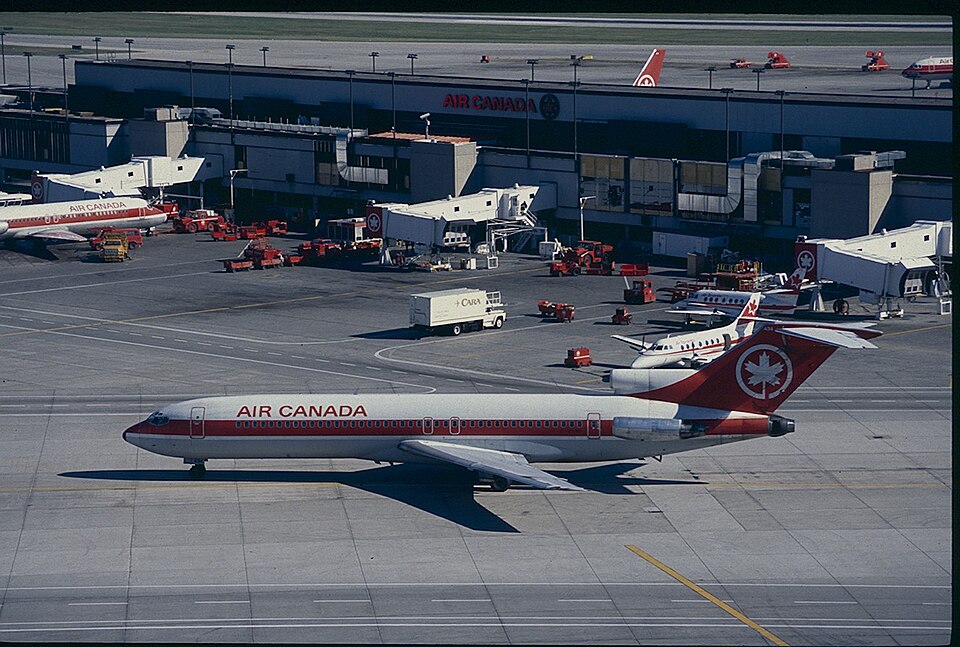
Boeing 727-225
Photo: Pete Macklin / CC BY-SA 2.0, via Wikimedia Commons

A flight crew discovered a burned-through area on the number one engine outboard cowling during a walk-around inspection, leading to a detailed examination of the engine.

What happened

During a routine walk-around inspection, the flight crew identified a significant burn-through area on the outboard cowling of the number one engine. This visual anomaly prompted the immediate removal of the engine from service for a thorough disassembly and examination.

The investigation

Mechanics and investigators conducted a detailed teardown of the affected powerplant. The inspection revealed extensive thermal damage beyond the initial visual cue. Specifically, the fan duct and the outer liner of the engine combustion section were also found to be burned through.

Upon closer examination of the core components, the number 7, 8, and 9 combustion chambers were discovered to be partially burned away and severely distorted. Historical maintenance records indicated that these specific chambers had been previously removed and subjected to weld repairs approximately 16,000 hours prior to this failure event.

Findings

The investigation determined that the primary mechanism of failure was thermal fatigue. The repeated stress cycles associated with heating and cooling, likely exacerbated by the previous repair work, led to the structural degradation of the combustion chambers. This fatigue ultimately resulted in the burn-through of the chambers and the subsequent damage to the surrounding cowling and liner components.

Probable cause

Thermal fatigue failures of the number 7, 8, and 9 combustion chambers, which had been previously weld repaired approximately 16,000 hours earlier.

Investigation report by the U.S. National Transportation Safety Board (NTSB) historical archive. Original record: https://carol.ntsb.gov/event/20001213X32908. This page is a structured re-presentation; facts and quotes are in the National Transportation Safety Board (NTSB), United States.