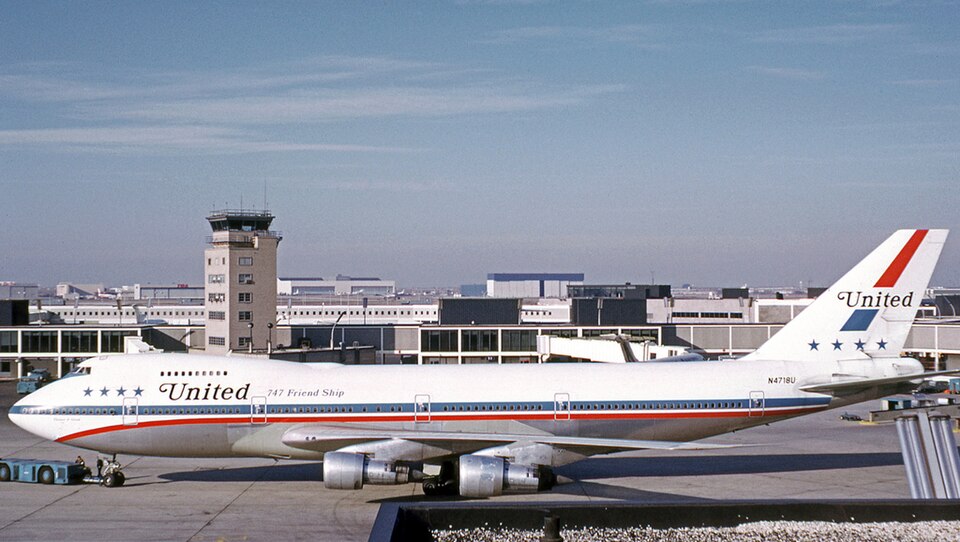
Incident Overview
Approximately 1.8 hours after takeoff, while UAL Flight 1 was cruising at Flight Level 310, a flight attendant reported experiencing a headache and lightheadedness. In response, the flight crew climbed the aircraft to Flight Level 350. Subsequently, another flight attendant and several passengers reported similar symptoms. At that time, the tropopause was at 40,000 feet. As the flight continued, the tropopause lowered somewhat before increasing in altitude again. Later, several other occupants also developed analogous symptoms.
Actions Taken
The captain activated the 'No Smoking' sign as a possible remedy, but this did not appear to alleviate the issue. An investigation for a hazardous cargo leak was conducted, but none was found. No passenger admitted to carrying butane or any similar substance.
Affected Areas
Those who reported symptoms were located in aircraft zones B, C, D, E, or on the upper deck. No occupants in zone A or on the flight deck were affected, with one exception: the second officer reported a slight pain between his eyebrows after spending 10 to 20 minutes in the passenger cabin.
Investigation Findings
An examination for a possible ozone encounter was performed, but no specific evidence was discovered. The catalytic converters in the air conditioning system were tested and found to be 51.2% efficient.