Casualties unknown

1992-02-17: Cessna 152 (N24211) — Naples Air Center, Inc. — Naples, FL

Naples, FL, US

On February 17, 1992, a Cessna 152 (registration N24211) operated by Naples Air Center, Inc. was involved in an aviation accident near Naples, FL. Investigators recorded the probable cause as: THE PILOT'S INADEQUATE PREFLIGHT PLANNING AND HIS FAILURE TO REFUEL AT HIS LAST DEPARTURE POINT, WHICH RESULTED IN FUEL EXHAUSTION AND ENGINE STOPPAGE. This summary draws on records from the U.S. National Transportation Safety Board (NTSB) historical archive; 9 related events involving the same aircraft type or operator are linked below.

Sourcesthe U.S. National Transportation Safety Board (NTSB) historical archivePrimary reportUpdated 1781061362Data APIEditorial standards
Aircraft registered N24211
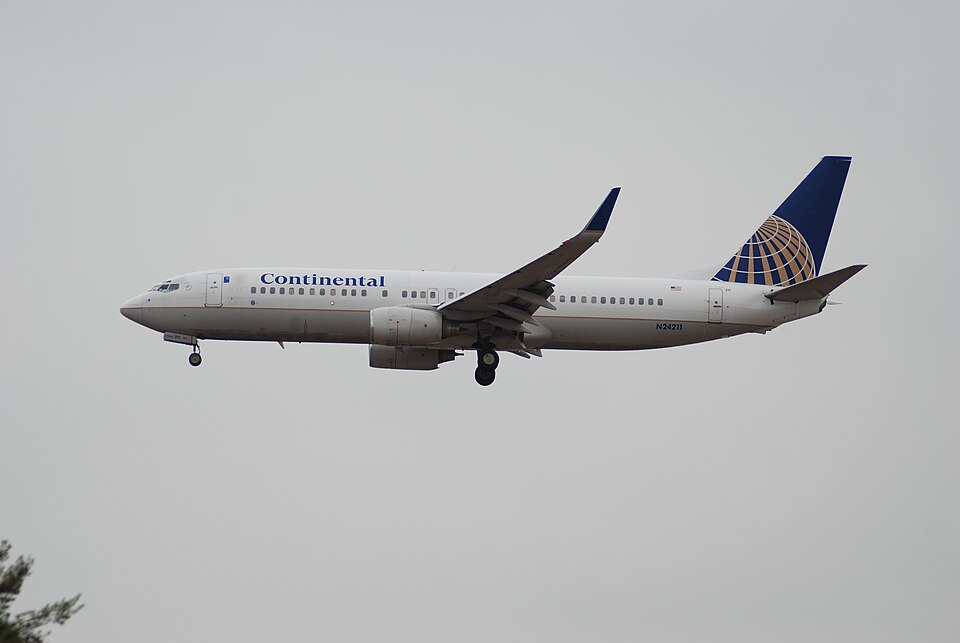
Aircraft registered N24211. Photo: Aero Icarus from Zürich, Switzerland / CC BY-SA 2.0, via Wikimedia Commons

A private pilot on vacation from England experienced fuel exhaustion during a cross-country flight in South Florida, resulting in a forced landing with substantial damage.

Incident Overview

A private pilot, visiting from England, rented a single-engine airplane for a personal cross-country flight in South Florida. The pilot estimated the aircraft's fuel endurance to be 4.3 hours. During the final leg of the journey, the pilot noticed the fuel supply was running low but decided to continue toward the destination.

Fuel Exhaustion and Engine Failure

Approximately 15 miles from the intended airport, the fuel supply was completely exhausted, causing the engine to cease operation. The pilot had not refueled at an intermediate stop during the trip.

Forced Landing and Damage

During the subsequent forced landing, the aircraft touched down on rough terrain. The nose wheel collapsed upon impact, resulting in substantial damage to the airplane. No other details about injuries or the aircraft's registration were provided in the source.

Contributing Factors

While the pilot observed the low fuel state, he attempted to reach the destination without refueling. The decision to continue rather than land at an alternate location led to fuel exhaustion and the forced landing.

Investigation report by the U.S. National Transportation Safety Board (NTSB) historical archive. Original record: https://carol.ntsb.gov/event/20001211X14071. This page is a structured re-presentation; facts and quotes are in the National Transportation Safety Board (NTSB), United States.