Casualties unknown

1993-09-16: Boeing 757-232 (N627DL) — Atlanta, GA

Atlanta, GA, US

On September 16, 1993, a Boeing 757-232 (registration N627DL) was involved in an aviation accident near Atlanta, GA. Investigators recorded the probable cause as: WAS THE PILOT'S INACCURATE EVALUATION OF WEATHER CONDITIONS WHICH RESULTED IN THE FLIGHT ENTERING AN AREA OF TURBULENCE. This summary draws on records from the U.S. National Transportation Safety Board (NTSB) historical archive; 7 related events involving the same aircraft type or operator are linked below.

Sourcesthe U.S. National Transportation Safety Board (NTSB) historical archivePrimary reportUpdated 1781061362Data APIEditorial standards
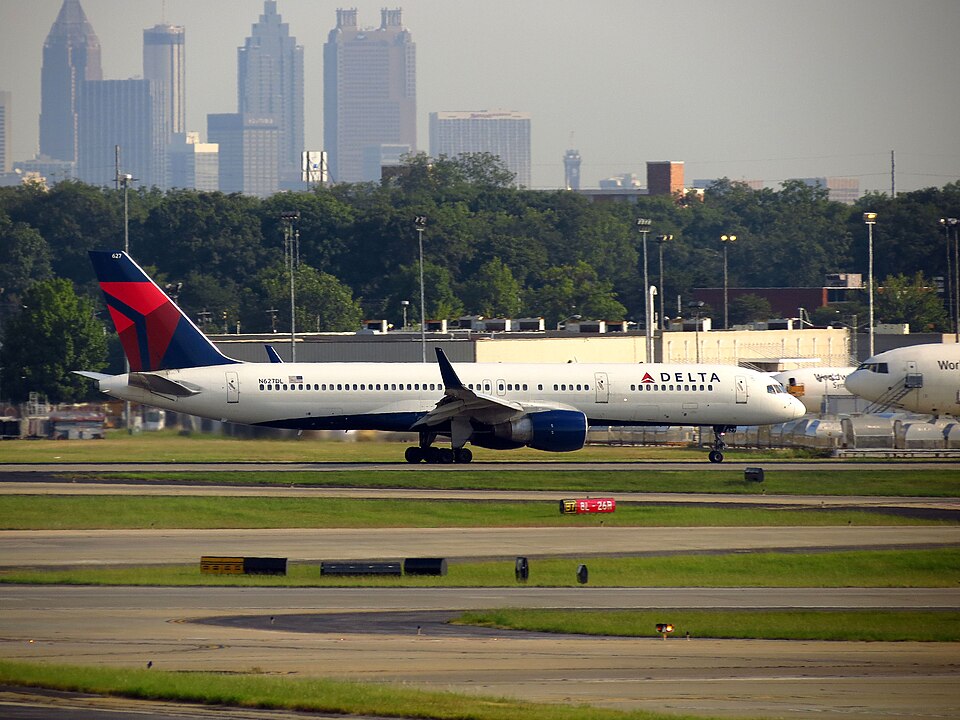
Aircraft registered N627DL
Aircraft registered N627DL. Photo: redlegsfan21 / CC BY-SA 2.0, via Wikimedia Commons

While climbing through 13,500 feet, a flight encountered moderate turbulence, seriously injuring a flight attendant. The seat belt sign had been turned off at 10,000 feet, and convective buildups were observed on radar but no avoidance action was taken until after the encounter.

Incident Overview

According to the pilot, the flight encountered moderate turbulence while climbing through 13,500 feet, resulting in a serious injury to a flight attendant. The seat belt sign had been turned off when the aircraft passed 10,000 feet.

Crew Observations and Actions

Before the turbulence encounter, the flight crew observed convective buildups on radar approximately five miles northeast of their position. However, no avoidance maneuver was initiated until after the aircraft had already entered the turbulent air.

Additional Details

The incident occurred during the climb phase of the flight. At 10,000 feet, the flight crew deactivated the seat belt sign. Subsequently, while climbing through 13,500 feet, the aircraft experienced moderate turbulence. This turbulence caused a serious injury to one of the flight attendants on board. The flight crew had been aware of potential convective activity, as they had spotted buildups on the radar display five miles to the northeast of the aircraft's location. Despite this awareness, the crew did not take any action to avoid the turbulent area until after the turbulence was already encountered. No other details regarding the flight or the extent of the injury were provided in the report.

Investigation report by the U.S. National Transportation Safety Board (NTSB) historical archive. Original record: https://carol.ntsb.gov/event/20001211X13312. This page is a structured re-presentation; facts and quotes are in the National Transportation Safety Board (NTSB), United States.