Accident Overview
On July 17, 1996, at approximately 2031 eastern daylight time, Trans World Airlines (TWA) Flight 800, a Boeing 747-131 registered as N93119, crashed into the Atlantic Ocean near East Moriches, New York. The aircraft was operating as a scheduled international passenger flight under 14 Code of Federal Regulations Part 121, traveling from John F. Kennedy International Airport in New York to Charles DeGaulle International Airport in Paris, France. The flight had departed JFK at about 2019 with 2 pilots, 2 flight engineers, 14 flight attendants, and 212 passengers on board. All 230 individuals on board were killed, and the airplane was destroyed.
Aircraft and Crew
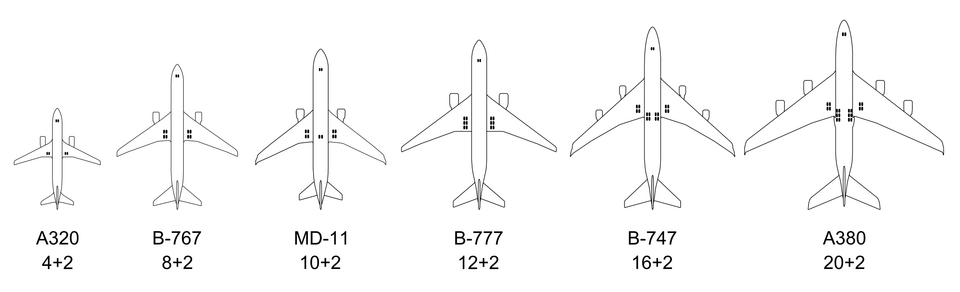
The aircraft was a Boeing 747-131, equipped with four engines. The flight crew consisted of two pilots and two flight engineers, along with 14 cabin crew members. Visual meteorological conditions prevailed at the time of the accident, and the flight was operating under an instrument flight rules flight plan.
Investigation Findings
The investigation, conducted by the National Transportation Safety Board (NTSB), determined that the crash resulted from a fuel/air explosion in the airplane's center wing fuel tank (CWT), which led to the in-flight breakup of the aircraft. The ignition energy for the explosion most likely entered the CWT through the fuel quantity indication system wiring. However, neither the specific ignition energy release mechanism nor the exact location of the ignition within the CWT could be identified from the available evidence. Investigators found no evidence of a missile or bomb detonation.
Conclusion
The NTSB concluded that the accident was caused by a fuel/air explosion in the center wing fuel tank. No determination was made regarding the precise ignition source or location. For further details, refer to the NTSB Aviation Accident Report NTSB/AAR-00/03.