Casualties unknown

1998-03-31: Boeing 727-212 (CFRYS) — Fort Lauderdale, FL

Fort Lauderdale, FL, US

On March 31, 1998, a Boeing 727-212 (registration CFRYS) was involved in an aviation accident near Fort Lauderdale, FL. Investigators recorded the probable cause as: Failure of the No.2 engine low pressure compressor rear tierod. Also contributing to the accident was failure of the manufacturer to apply an antigallant treatment to the tierod's compressor disk lands during manufacture. This summary draws on records from the U.S. National Transportation Safety Board (NTSB) historical archive; 8 related events involving the same aircraft type or operator are linked below.

Sourcesthe U.S. National Transportation Safety Board (NTSB) historical archivePrimary reportUpdated 1781061362Data APIEditorial standards
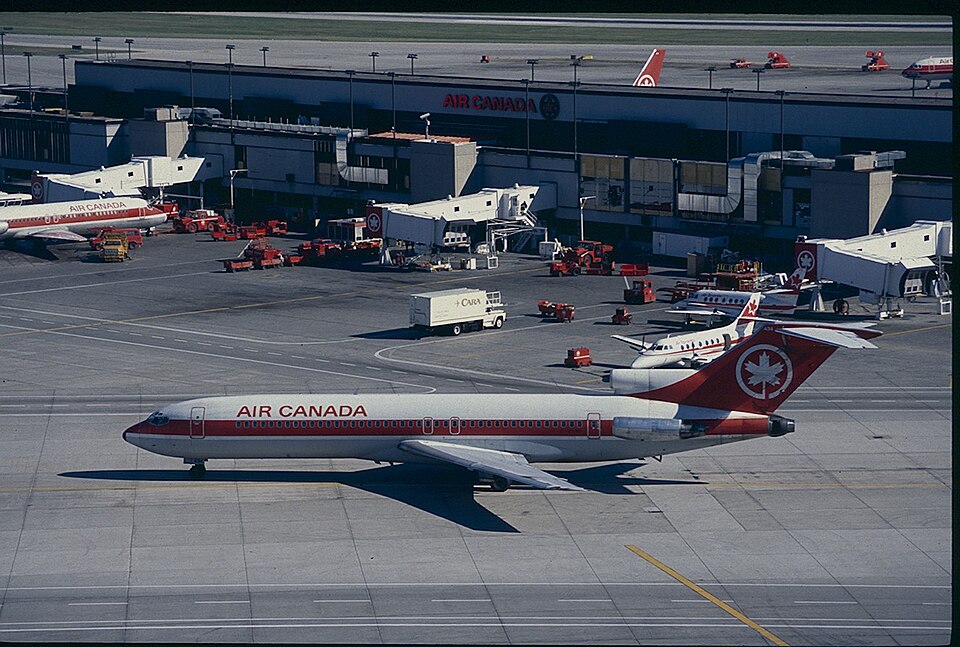
Boeing 727-212
Photo: Pete Macklin / CC BY-SA 2.0, via Wikimedia Commons

During takeoff roll between 90 and 100 knots, the No. 2 engine suffered an uncontained failure. The crew aborted takeoff, stopped on a taxiway, and evacuated passengers. Investigation revealed a missing anti-gallant treatment on tiebolts led to fatigue and catastrophic LPC separation.

Event Description

During the takeoff roll, at a speed between 90 and 100 knots, the No. 2 engine experienced an uncontained failure. The flight crew promptly aborted the takeoff. Upon being informed that smoke was emanating from the No. 2 engine, the crew brought the aircraft to a stop on a taxiway. The pilot then commanded a passenger emergency evacuation.

Engine Examination

Post-incident examination of the engine revealed that one of twelve low pressure compressor (LPC) rear tiebolts had fractured at its 4th stage disk land and separated into the plenum ahead of the LPC. The separated tierod subsequently impacted the other eleven tierods, causing them to eventually fracture. This resulted in a catastrophic separation of the LPC assembly between the 3rd and 4th stage rotors.

Metallurgical examination of the failed tierods determined that the first tierod failed due to fatigue, while the other eleven failed due to stress. It was further revealed that an anti-gallant treatment, which is applied to the lands of the tierods at manufacture as specified in Pratt & Whitney Service Bulletin No. 5407, was not present on these tierods.

Investigation report by the U.S. National Transportation Safety Board (NTSB) historical archive. Original record: https://carol.ntsb.gov/event/20001211X09733. This page is a structured re-presentation; facts and quotes are in the National Transportation Safety Board (NTSB), United States.