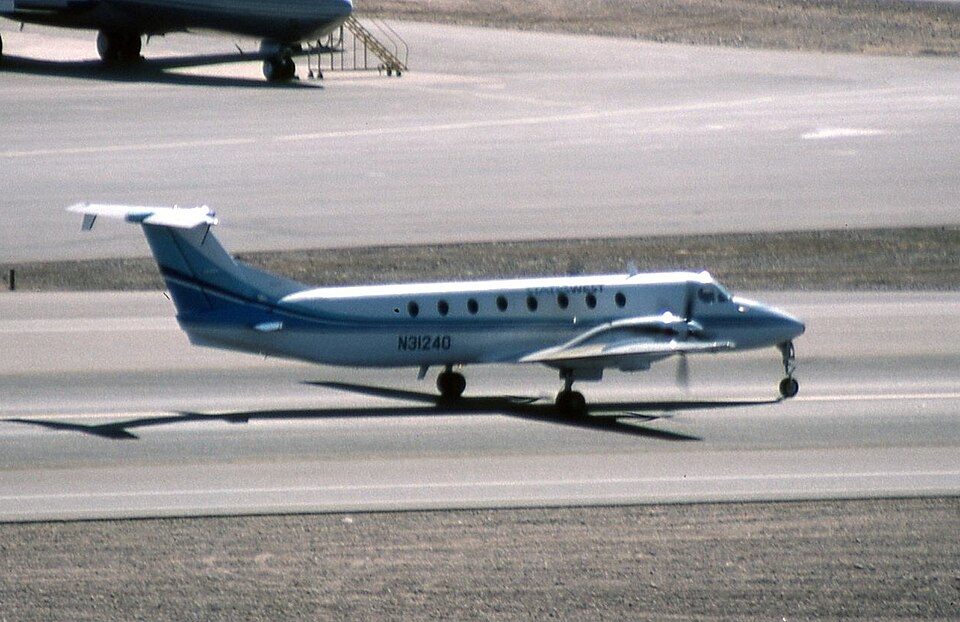
Accident Summary
The accident occurred during a localizer approach to an airport. The airline transport pilot was cleared for the approach. The airplane impacted the ground 3.2 nautical miles from the runway threshold. The minimum descent altitude (MDA) for the approach was 560 feet msl, which is 263 feet above touchdown. Night, instrument meteorological conditions prevailed. The surrounding terrain was flat, snow-covered, and featureless. The reported weather was 200 feet overcast, 1 1/2 miles visibility in snow, and winds of 12 knots, gusting to 32 knots.
Pilot Report
The pilot reported that he was established on the final approach course and was descending to the MDA. He then stated that he woke up in the snow. He said he did not remember any problems with the airplane.
Aircraft and Airport Information
No preaccident mechanical anomalies were discovered with the airplane during the investigation. The airplane was not equipped with an autopilot. The airport has high intensity runway lights, sequenced flashing lead-in lights, and visual approach slope indicator lights. All airport lights and navigation aids were functioning.
Flight Crew Information
The pilot held an airline transport pilot certificate. The report refers to the pilot as a captain. The captain has the option of requesting a copilot, but the captain's pay is reduced by a portion equal to one-half the copilot's pay. The pilot had returned from the previous night's trip at 0725. He had three rest periods since his previous night's flight: four hours, two hours, and five hours 15 minutes. Each rest period was interrupted by contact with the company.
Regulatory Aspects
The company indicated that it is the pilot's responsibility to tell the company if duty times are being exceeded. Title 14 CFR 135.267 states, in part: "(d) Each assignment ... must provide for at least 10 consecutive hours of rest during the 24 hours that precedes the planned completion of the assignment."