Casualties unknown

2004-08-07: Boeing 737-500 (N929UA) — Denver, CO

Denver, CO, US

On August 7, 2004, a Boeing 737-500 (registration N929UA) was involved in an aviation accident near Denver, CO. Investigators recorded the probable cause as: the inaccurate radar information due to the failure of the Airport Movement Area Surveillance radar resulting in the tower calling for the airplane to abort the takeoff, subsequently causing tire and brake damage to the airplane. This summary draws on records from the U.S. National Transportation Safety Board (NTSB) historical archive; 8 related events involving the same aircraft type or operator are linked below.

Sourcesthe U.S. National Transportation Safety Board (NTSB) historical archivePrimary reportUpdated 1781061362Data APIEditorial standards
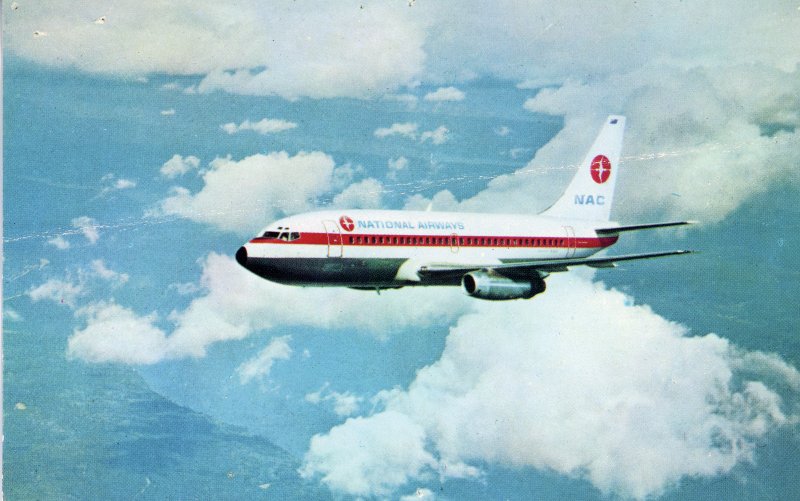
Boeing 737-500
Photo: San Diego Air & Space Museum Archives / Public domain, via Wikimedia Commons

An airplane aborting takeoff after a radar target was detected caused tire and brake damage. Postincident investigation found a dual air conditioning unit failure in the ASDE equipment room led to equipment malfunction.

Incident Details

The Federal Aviation Administration (FAA) reported that the takeoff clearance for a flight was canceled after the airport movement area safety system (AMASS) radar system detected a target at the departure end of the runway. In a written statement, the flight crew noted that they successfully aborted the takeoff and subsequently taxied the airplane to a deicing pad.

Communication with Tower

During a conversation between the captain and the tower supervisor, the supervisor indicated that the tower had initiated the abort call because of a target visible on their radar. Following the abort, the tower's radar displayed hundreds of targets, which the supervisor believed to be a computer malfunction.

Aircraft Damage

As a result of the aborted takeoff, the airplane sustained damage to its tires and brakes.

Investigation Findings

A postincident investigation determined that a dual air conditioning unit failure had occurred within the Airport Surface Detection Equipment (ASDE) equipment room. The failure caused elevated temperatures in the room, leading to the equipment malfunction.

Investigation report by the U.S. National Transportation Safety Board (NTSB) historical archive. Original record: https://carol.ntsb.gov/event/20040816X01227. This page is a structured re-presentation; facts and quotes are in the National Transportation Safety Board (NTSB), United States.